
Leave A Message
If you are interested in our products and want to know more details,please leave a message here,we will reply you as soon as we can.
Iriodin 500 Bronze Equivalent KT-500 Metallic Mica Pigment
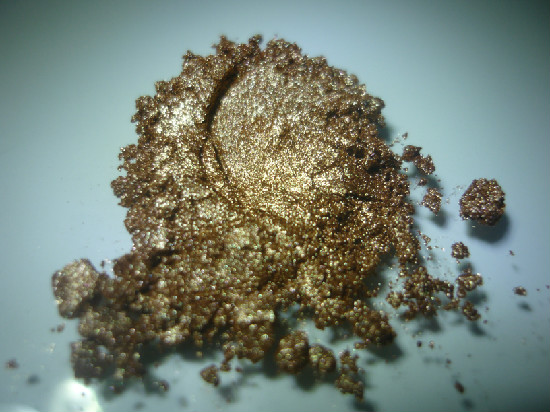
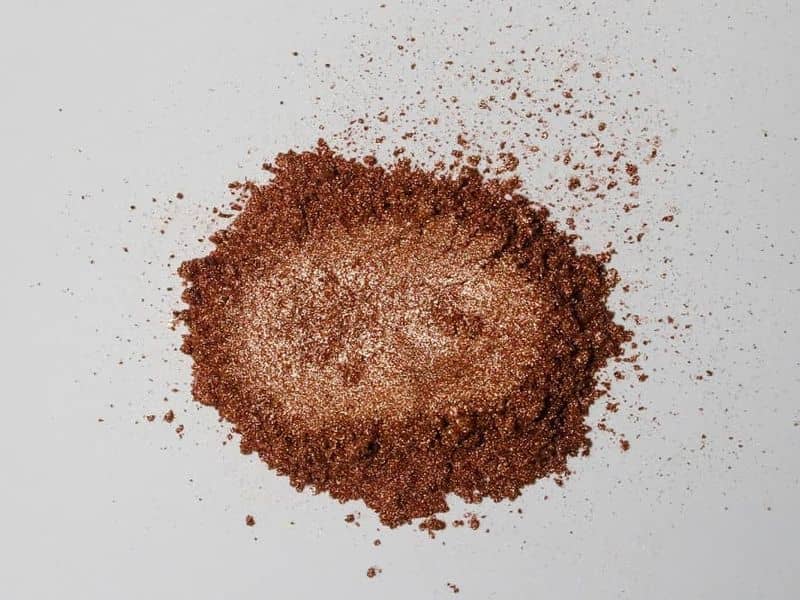
KT-500 is a bronze mica pigment built on natural mica flakes coated with ferric oxide, delivering a warm, rich metallic luster with strong opacity — a direct functional match to the iriodin effect found in Merck's widely specified 500-series. Suited for decorative coatings, epoxy floors, and cosmetic formulations where consistent, high-coverage metallic bronze is required, KT-500 is a well-established iriodin 500 equivalent used by formulators across multiple industries.
Item No. :
KT-500Color Effect :
BronzeParticle Size :
10-60μmComposition :
Mica, Iron OxideBrand :
Kolortek / OEMMOQ :
25KGApplication :
Paints & Coatings, Printing, Cosmetics, Soaps, Nail Polish, Epoxy Flooring, Crafts, etc.The KT-500 series belongs to Kolortek's Metal Luster line of iron oxide–coated mica pigments. The color mechanism is straightforward: ferric oxide (Fe₂O₃) is deposited onto natural mica flakes, and the thickness of that coating determines the final hue — from bronze through red-brown, wine red, mauve, and coffee. KT-500 specifically targets the bronze end of this range.
These are not interference pigments. They behave as metallic pigments — opaque, warm-toned, with a reflective character that reads as a genuine metallic finish rather than a pearlescent shimmer. That distinction matters when you're specifying for decorative paints, floor coatings, or cosmetic formulas where coverage and tone consistency are the primary drivers.
In practice, KT-500 is the natural-mica variant. For applications demanding higher purity, improved whiteness of the substrate, or regulatory environments where fluorine-containing compounds are acceptable, the KT-7500 synthetic mica (Fluorphlogopite) series covers the same bronze palette.
---
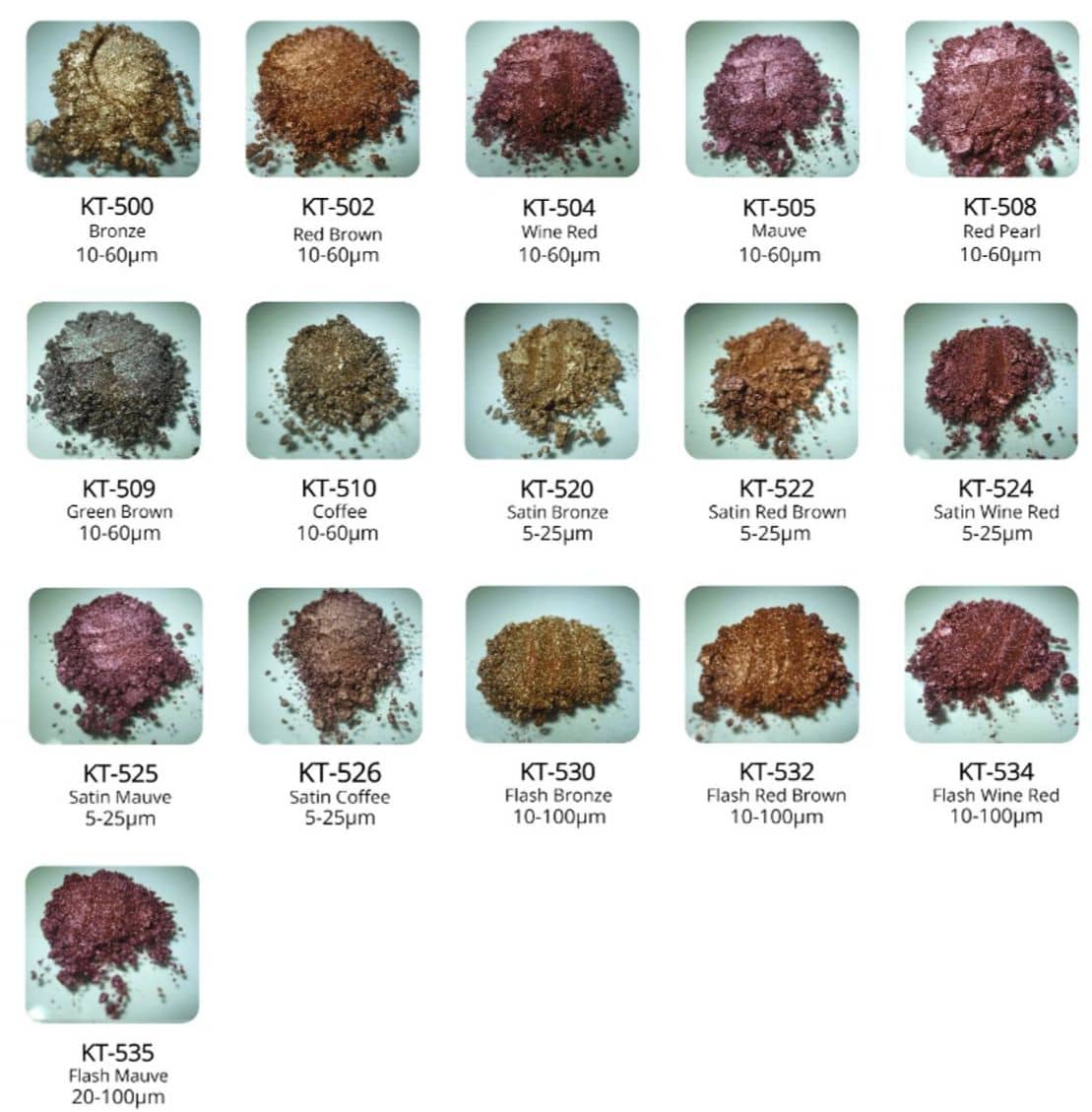
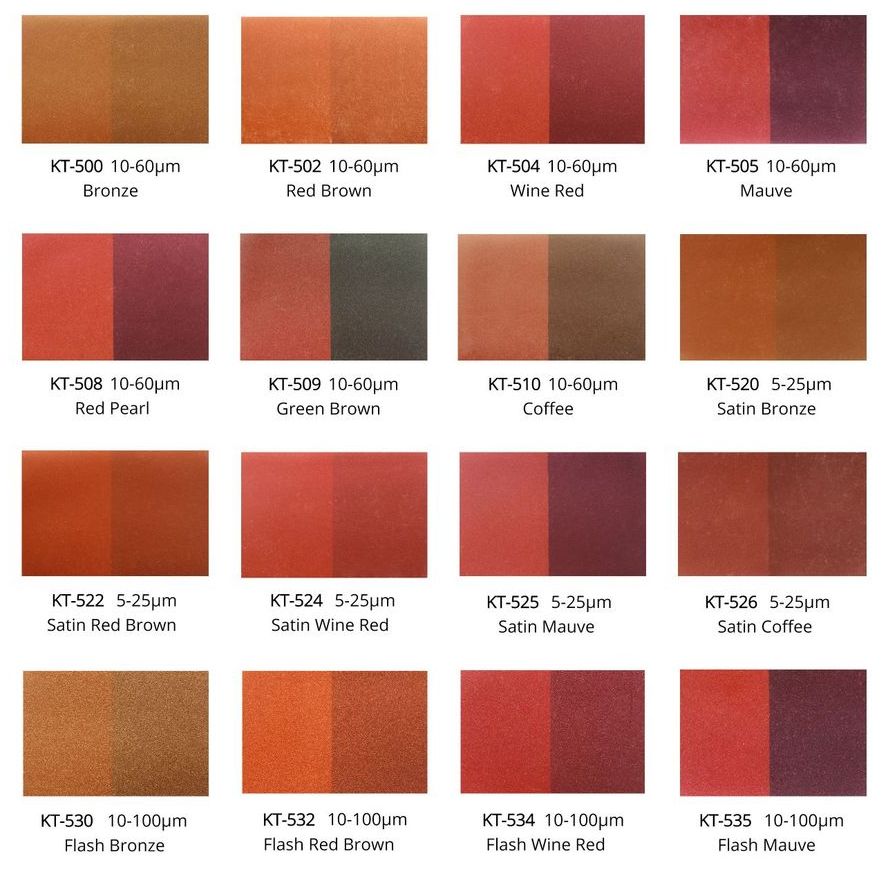
The full series spans several particle size ranges and tone variations. Below is the complete natural mica range:
| Model | Color | Particle Size | Base / Coating |
|---|---|---|---|
| KT-500 | Bronze | 10–60 μm | Natural Mica / Fe₂O₃ |
| KT-520 | Satin Bronze | 5–25 μm | Natural Mica / Fe₂O₃ |
| KT-530 | Flash Bronze | 10–100 μm | Natural Mica / Fe₂O₃ |
| KT-502 | Red Brown | 10–60 μm | Natural Mica / Fe₂O₃ |
| KT-504 | Wine Red | 10–60 μm | Natural Mica / Fe₂O₃ |
| KT-505 | Mauve | 10–60 μm | Natural Mica / Fe₂O₃ |
| KT-510 | Coffee | 10–60 μm | Natural Mica / Fe₂O₃ |
| KT-522 | Satin Red Brown | 5–25 μm | Natural Mica / Fe₂O₃ |
| KT-524 | Satin Wine Red | 5–25 μm | Natural Mica / Fe₂O₃ |
| KT-525 | Satin Mauve | 5–25 μm | Natural Mica / Fe₂O₃ |
| KT-526 | Satin Coffee | 5–25 μm | Natural Mica / Fe₂O₃ |
| KT-508 | Red Pearl | 10–60 μm | Natural Mica / Fe₂O₃ |
| KT-509 | Green Brown | 10–60 μm | Natural Mica / Fe₂O₃ |
| KT-532 | Flash Red Brown | 10–100 μm | Natural Mica / Fe₂O₃ |
| KT-534 | Flash Wine Red | 10–100 μm | Natural Mica / Fe₂O₃ |
| KT-535 | Flash Mauve | 10–100 μm | Natural Mica / Fe₂O₃ |
Worth noting: the "Satin" variants (5–25 μm) produce a finer, more uniform finish — typically preferred in printing and cosmetic applications. The "Flash" variants (10–100 μm) give a coarser, higher-sparkle output that reads well in decorative paints and craft applications where visual drama matters more than smoothness.
---
For applications requiring higher purity substrate or extended particle size ranges, the Fluorphlogopite-based KT-7500 series covers the same bronze palette:
| Model | Color | Particle Size | Base / Coating |
|---|---|---|---|
| KT-7511 | Bronze | 10–60 μm | Fluorphlogopite / Fe₂O₃ |
| KT-7521 | Flash Bronze | 20–100 μm | Fluorphlogopite / Fe₂O₃ |
| KT-7541 | Shimmer Bronze | 40–200 μm | Fluorphlogopite / Fe₂O₃ |
| KT-7561 | Sparkle Bronze | 60–300 μm | Fluorphlogopite / Fe₂O₃ |
| KT-7571 | Super Bronze | 200–700 μm | Fluorphlogopite / Fe₂O₃ |
---
KT-500 is used across a wide range of substrates and systems. The most common end-uses:
---
A few properties that matter when specifying this type of pigment:
---
Dispersion of KT-500 is generally straightforward. These pigments wet out readily in most solvent-borne and waterborne systems. That said, avoid high-shear dispersion equipment — extended high-speed milling will fracture the mica flakes and reduce the reflective surface area, dulling the metallic effect. Low-shear mixing or controlled planetary dispersion is preferable.
In cosmetic formulas, compatibility with standard cosmetic-grade binders, waxes, and oils is not typically a concern. For pressed powder formats, binder selection affects adhesion and payoff of the metallic effect more than the pigment itself.
For epoxy floor systems, pre-dispersing in a small quantity of solvent or resin before adding to the bulk mix helps achieve even distribution without dry agglomeration. Use levels vary by application, but 1–5% by weight is a common starting range for coatings; cosmetic applications often run higher.
If you're switching from Merck Iriodin 500 and running existing qualified formulas, request a sample lot from KT-500 first and run a side-by-side drawdown — particularly for critical color-match applications. The functional chemistry is equivalent, but minor substrate and coating differences can shift the final visual slightly depending on your system.
---
Merck's Iriodin 500 Bronze is one of the most referenced bronze iron oxide mica pigments in industrial and cosmetic specifications. KT-500 is produced on the same functional principle: natural mica substrate, ferric oxide coating, 10–60 μm particle range. It is used as a direct alternative by formulators who need a verified drop-in at competitive pricing or improved supply chain flexibility.
For teams running Merck-qualified formulations and evaluating alternatives, MSDS, TDS, and COA documentation is available on request — which matters for regulatory submissions and internal qualification processes.
---
Q: Is KT-500 a true drop-in for Iriodin 500 Bronze in qualified cosmetic formulas?
Functionally, yes — same chemistry, comparable particle range. That said, for regulated cosmetic applications with locked formulas, you'll want to run a qualification batch and compare TDS specs side by side. Documentation (COA, MSDS) is available to support that process.
Q: What's the difference between KT-500 (natural mica) and KT-7511 (synthetic mica)?
The base substrate differs. Natural mica contains trace mineral impurities and has a slightly yellowish substrate color. Synthetic mica (Fluorphlogopite) is purer, whiter, and typically used when cleaner color saturation or higher-purity compliance is required — particularly in premium cosmetics or applications where substrate whiteness matters to the final visual.
Q: Which grade is recommended for screen printing inks?
KT-520 (Satin Bronze, 5–25 μm) is the practical choice for most printing applications. The finer particle distribution passes through screens more cleanly and offers better compatibility with the rheology of ink systems. Coarser grades like KT-530 are better suited for brush-applied or roller-applied coatings.
Q: Are these pigments suitable for skin-contact cosmetic applications?
Iron oxide–coated mica pigments are among the most established colorants in cosmetics. For specific regulatory compliance documentation applicable to your market, request the relevant COA and MSDS from our technical team.
---
For samples, technical datasheets, or pricing on KT-500 and related grades, contact contact@kolortek.com. Specify your target application and particle size preference and we'll identify the closest match from the series.
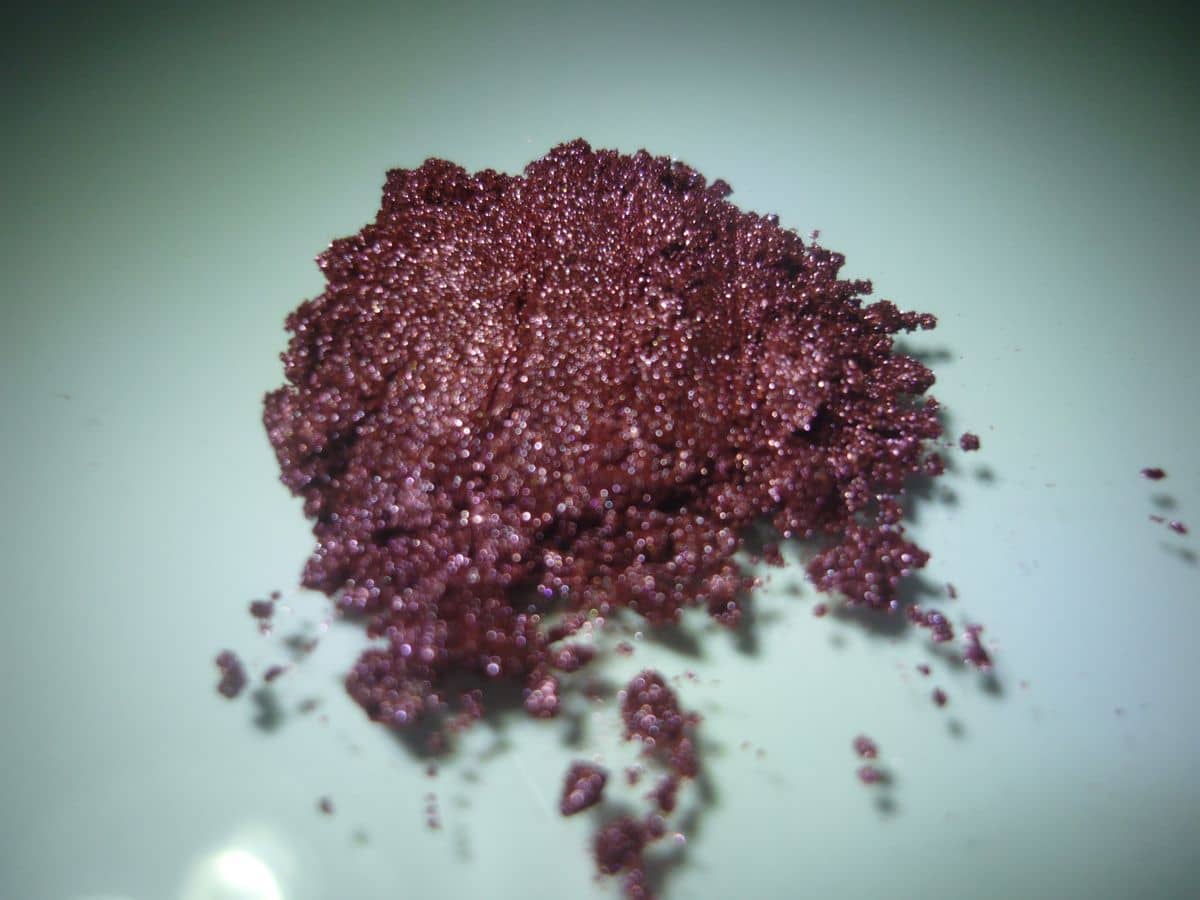
KT-535 is a flash mauve pigment built on mica flakes coated with ferric oxide, delivering a warm, richly toned metallic shimmer with strong opacity. The iron oxide mica construction gives it reliable chemical and physical stability across demanding substrates. It performs consistently in automotive coatings, decorative paints, and cosmetic formulations where a deep mauve metallic effect is required.
Read More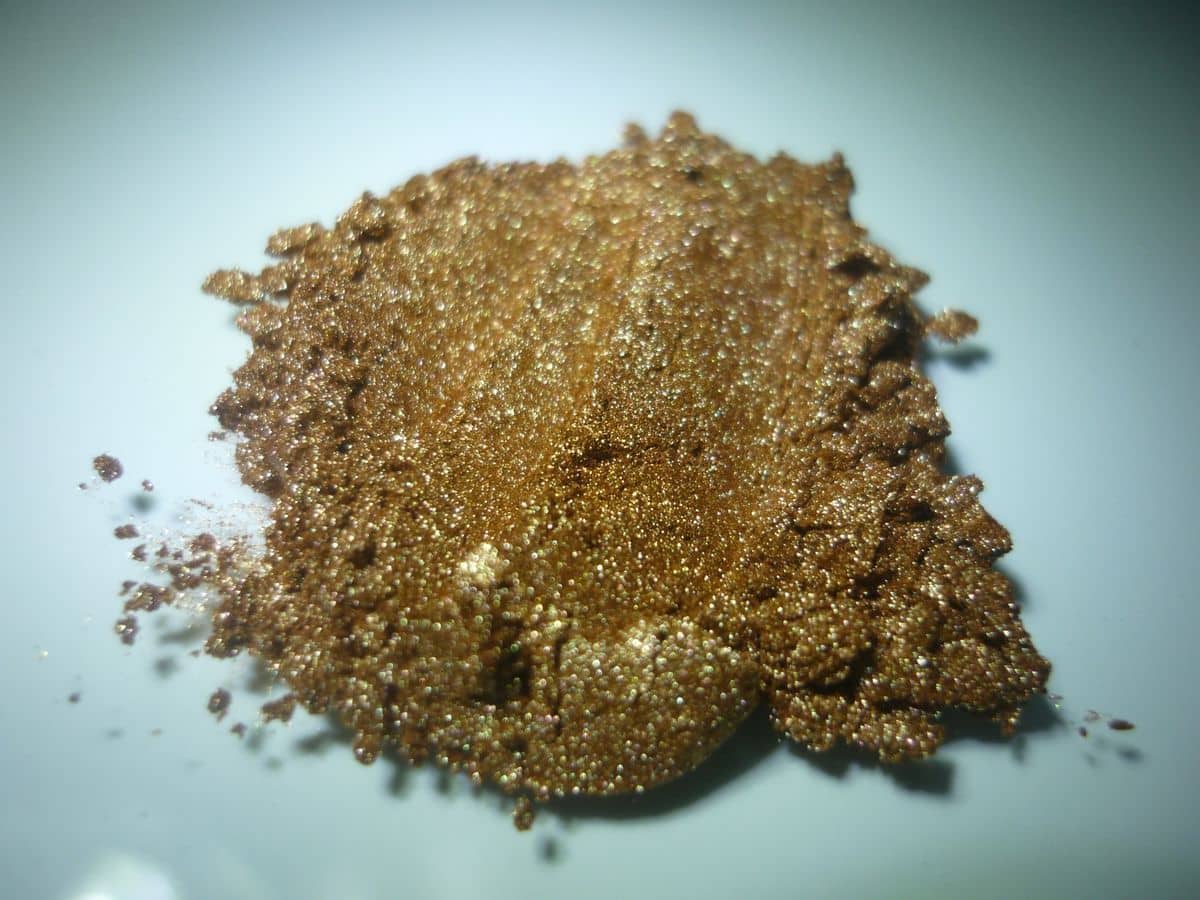
KT-7511 is a bronze synthetic mica pigment built on a fluorphlogopite base coated with iron oxide, delivering a warm, rich metallic luster with strong coverage. Synthesized from high-purity fluorphlogopite, it outperforms natural mica in brightness, color consistency, and thermal stability. Well-suited for cosmetics, decorative coatings, and nail applications where clean metallic effects and reliable batch-to-batch performance matter.
Read More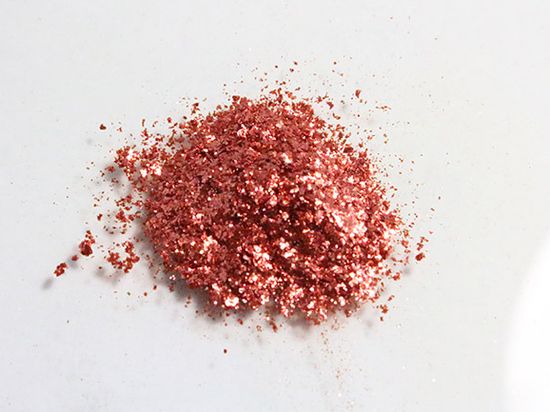
KT-7573 is a coarse mica powder delivering a deep, warm wine red metallic effect built on a fluorphlogopite base — engineered for applications where coverage, sparkle, and color depth all matter. Compared to natural mica equivalents, it offers noticeably cleaner color, fewer surface defects, and stronger luster retention under demanding conditions. Widely used in epoxy floors, decorative coatings, and craft art where coarse particle brilliance is a design requirement.
Read More
KT-500 is a bronze mica pigment built on natural mica flakes coated with ferric oxide, delivering a warm, rich metallic luster with strong opacity — a direct functional match to the iriodin effect found in Merck's widely specified 500-series. Suited for decorative coatings, epoxy floors, and cosmetic formulations where consistent, high-coverage metallic bronze is required, KT-500 is a well-established iriodin 500 equivalent used by formulators across multiple industries.
Read More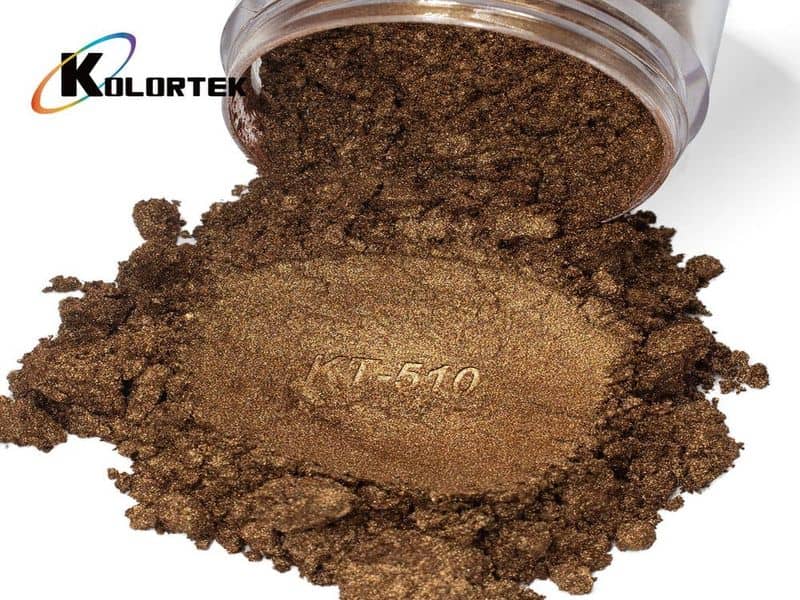
KT-510 is a natural mica-based iron oxide mica pigment delivering a rich coffee-brown metallic lustre with strong opacity — a direct functional equivalent to Merck pearlescent pigments in the Iriodin 510 series. Its warm, deep tone and consistent metallic finish make it a practical choice for decorative coatings, cosmetic formulations, and specialty printing applications.
Read More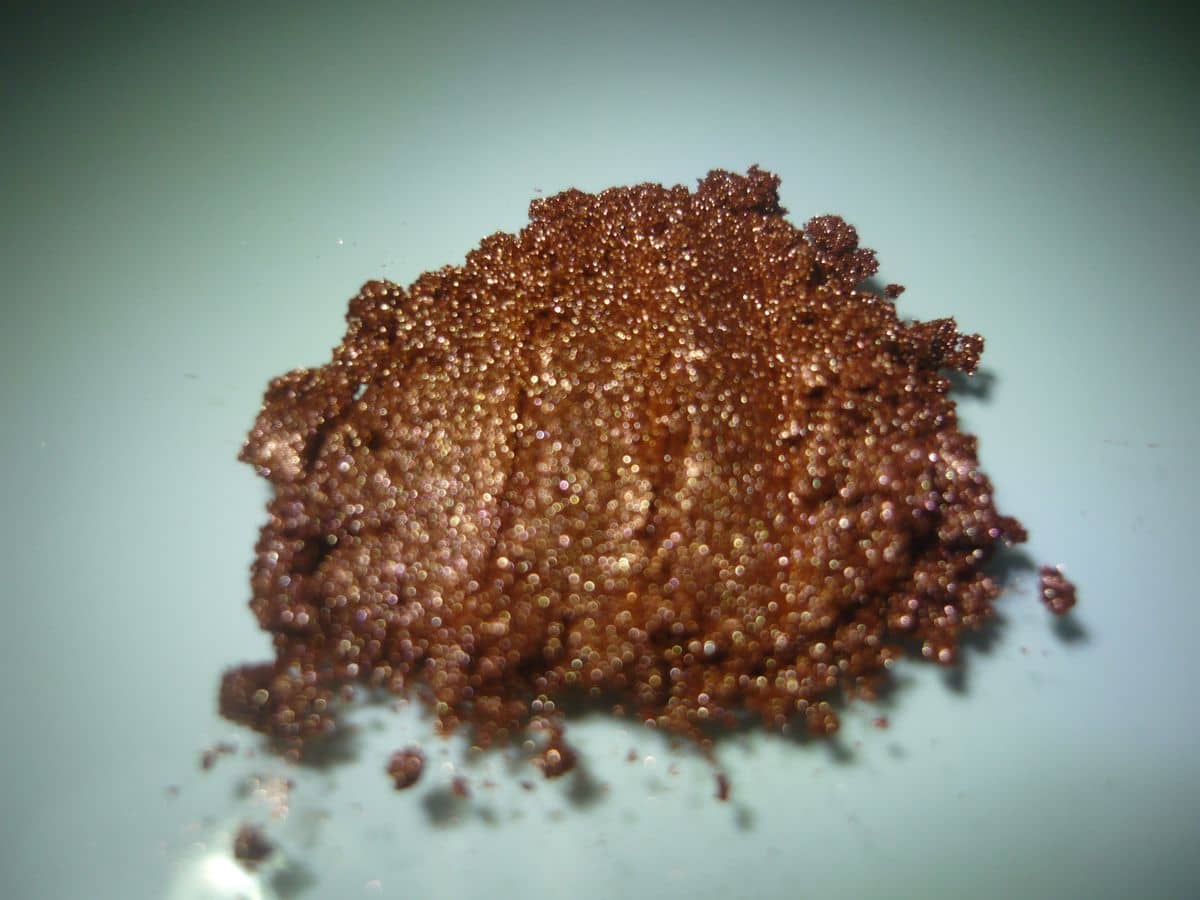
KT-532 is a natural mica-based flash red brown pigment coated with ferric oxide, delivering a warm, sparkling metallic luster with strong opacity — well suited for decorative coatings, epoxy floors, and cosmetic applications. Formulated as a cost-effective iriodin 532 alternative, it matches the same mica substrate, iron oxide chemistry, and particle size range as Merck's original, making it a straightforward drop-in for formulators already working with iriodin equivalents in their systems.
Read More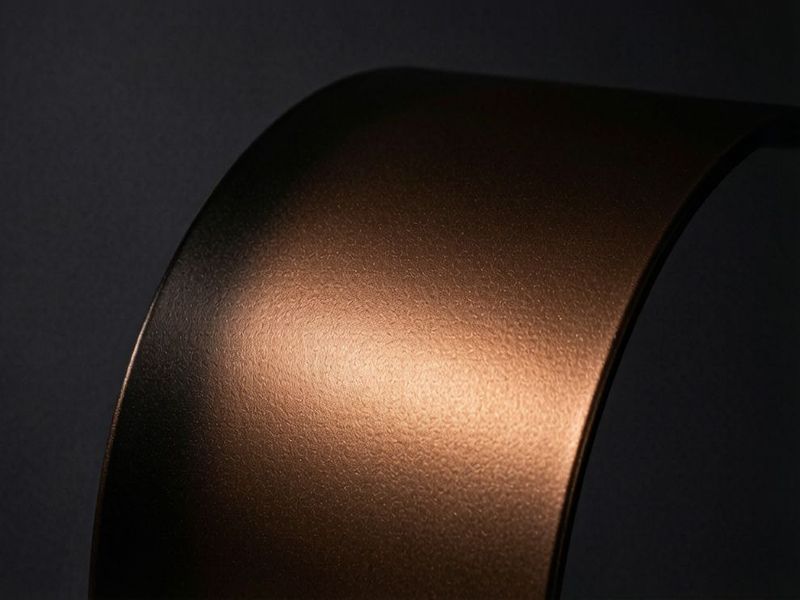
Bronze metallic mica powder delivers a warm, opaque earth-tone metallic finish through an iron oxide (Fe₂O₃) coating on natural muscovite mica — producing consistent color at every viewing angle, not just at specular reflection. Our KT-500 Metal Luster Series covers three particle size grades (5–25 μm through 10–100 μm) to match everything from fine satin coverage to high-sparkle flash effects. Heat stability to 800°C and a fully TiO₂-free composition make these grades relevant across coatings, plastics, inks, and cosmetics alike.
Read More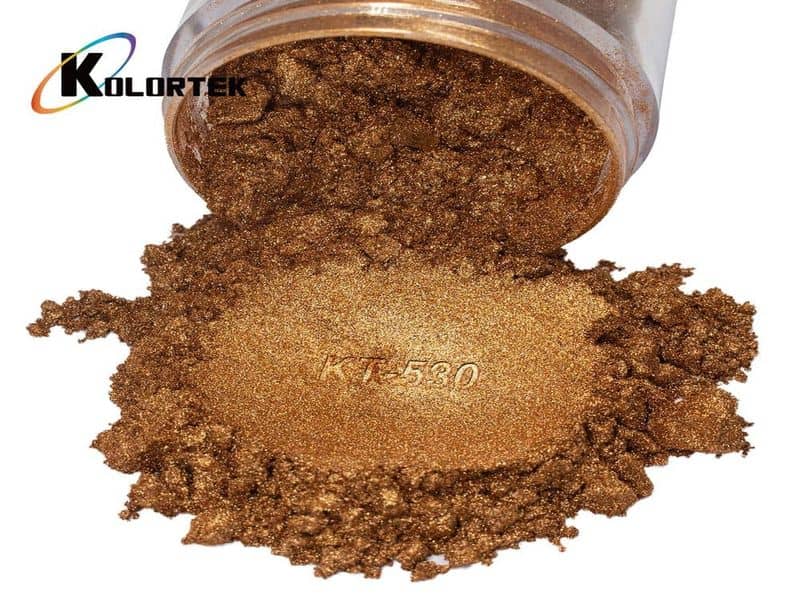
Bulk bronze mica-based pigment delivers rich copper and earth-tone metallic finishes through iron oxide–coated natural mica. Our KT-500 Metal Luster Series spans three particle sizes—5–25 μm for smooth satin coverage, 10–60 μm for classic luster, and 10–100 μm for high-sparkle effects—all heat-stable to 800°C and fully TiO₂-free, making them suitable for coatings, automotive interiors, plastics, and cosmetic bronzers where you need consistent color at every viewing angle.
Read More
 English
 Français
 Deutsch
 Русский
 Español
 Português