Leave A Message
If you are interested in our products and want to know more details,please leave a message here,we will reply you as soon as we can.
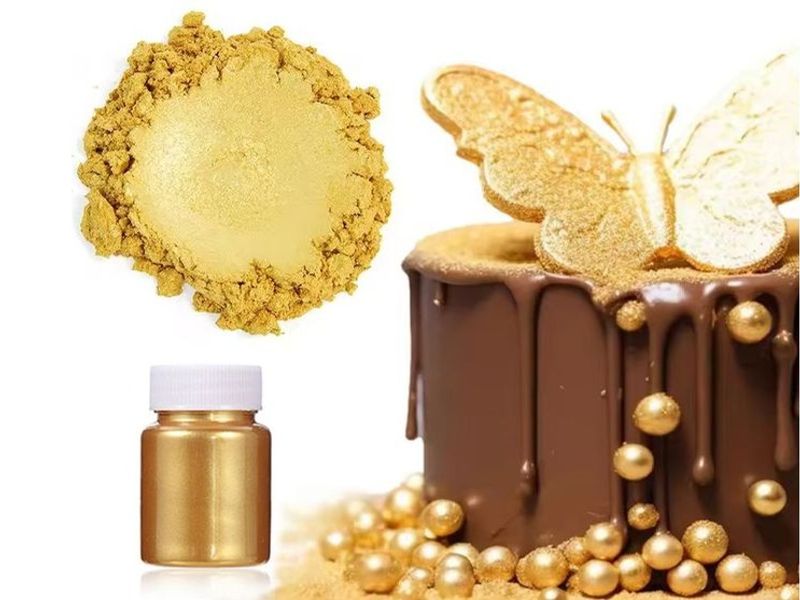
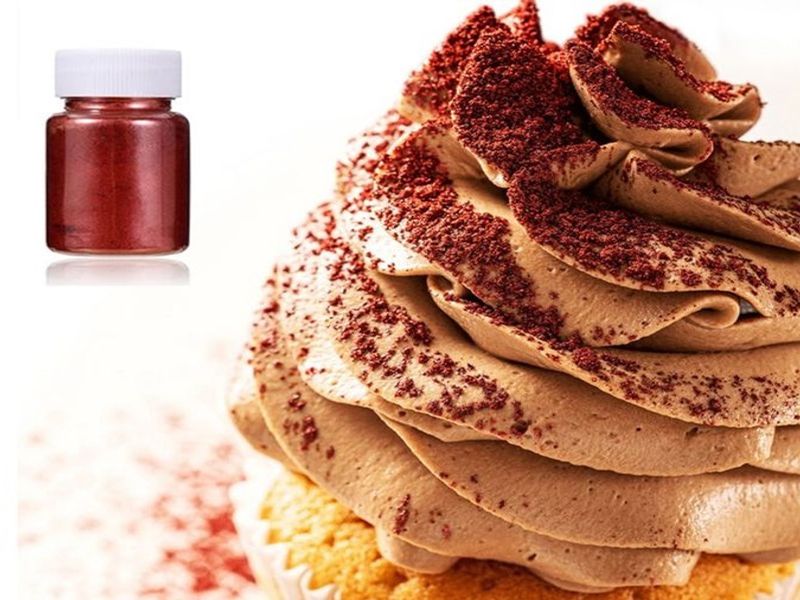
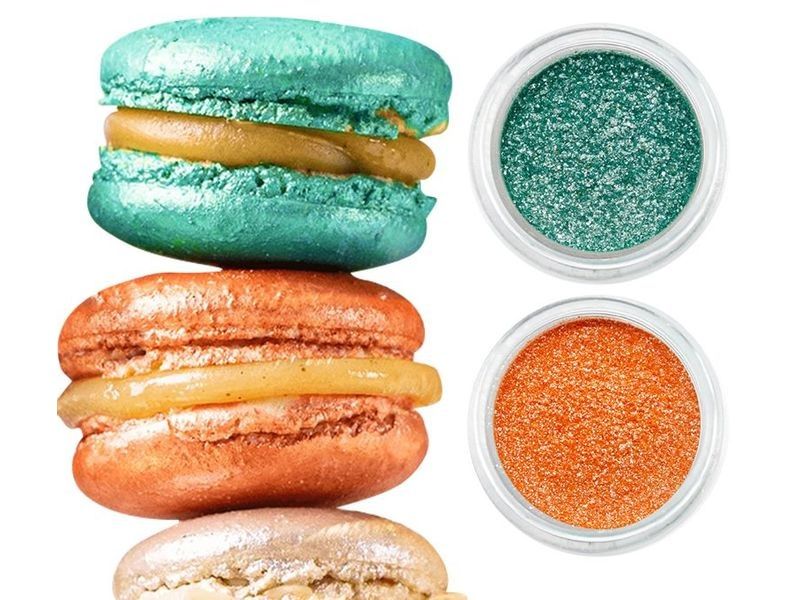
Cake decorating with edible gold dust and food-grade pearlescent pigments has become standard practice for professional bakers and confectionery studios looking to add genuine metallic shimmer and lustrous pearl effects to finished products. These pigments — formulated from natural, food-safe ingredients — deliver consistent shimmery coverage across fondant, buttercream, chocolate, and sugar surfaces. Whether dusted directly onto tiers or mixed into a painting medium, cake pearl dust and related edible shimmer formats give decorators precise control over effect intensity, from a soft satin glow to a bold, reflective finish, making them the go-to choice wherever edible shimmer powder for cakes is specified.
In commercial bakeries and artisan cake studios, food-grade pearlescent pigments are applied across a wide range of surfaces and products — tiered wedding cakes, celebration cakes, macarons, cake pops, chocolates, and molded sugar decorations. The demand is consistent: decorators need a product that looks visually rich under both natural light and photography lighting, holds its effect after the decorating process, and is fully safe for consumption.
Beyond cakes specifically, the same pigments are used on cocktail rims, chocolate bonbons, ice cream toppings, cookies, and even fresh fruit for styled food photography and event catering. The visual language is the same across all these uses: shimmer, depth, and a surface that reads as luxurious rather than flat.
The shimmer effect comes from the platelet structure of the pigment particles. When light hits a surface coated with pearlescent pigment, it reflects and refracts across multiple angles, producing that characteristic depth and glow that flat food colorings cannot replicate.
In practice, the effect intensity depends heavily on how the pigment is applied:
Each method produces a different aesthetic result, and experienced decorators typically use a combination — wet painting for accents and concentrated areas, dry dusting for broad coverage.
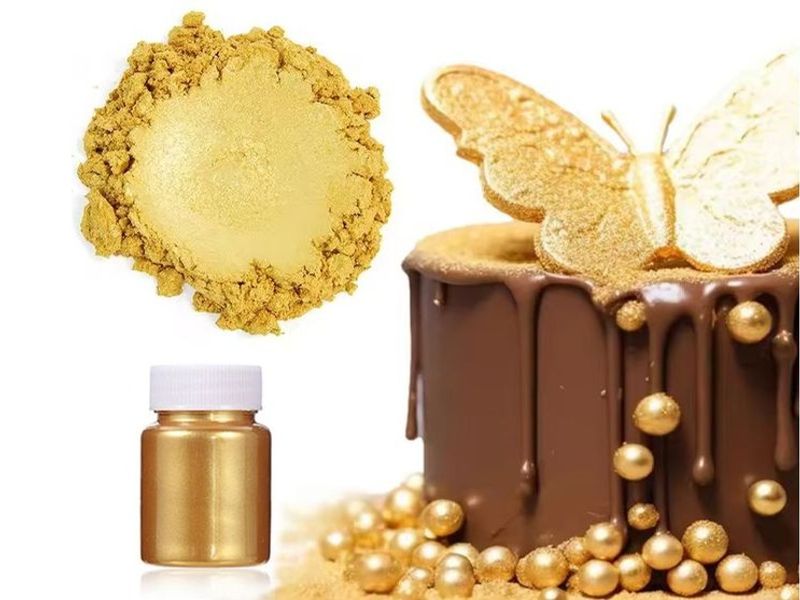
Not all pearlescent pigments in the market are food-safe. For cake decorating specifically, you need pigments from a dedicated edible glitter / edible luster dust series — not cosmetic-grade or industrial-grade materials, regardless of how similar they may appear.
Kolortek's Edible Glitter Series (including Titanium Dioxide Free options) covers a broad spectrum of shade and particle size combinations relevant to cake work:
| Color Family | Typical Use in Cake Decorating | Example Grades |
|---|---|---|
| Gold / Yellow | Metallic gold finishes, wedding cake painting, luster accents | F1101A, F3039D, KT-F3041D, F390 |
| Silver / White | Cool metallic, clean pearl effects, modern minimalist cakes | F1100A, F103, FSS0300, F7105 |
| Red / Pink / Rose | Valentine's, floral cakes, feminine color palettes | F1102A, F6663202, F6660202 |
| Blue | Ocean themes, galaxy cakes, winter designs | F1104A, F6663401, F6660402 |
| Green | Botanical, floral, St. Patrick's designs | F1105A, F6663501, F6660502 |
| Bronze | Rustic, autumnal, antique-finish effects | F500, F7521 |
| Pearl / Shimmer | Soft iridescent overall finish, blending base | F163, F183 |
For decorators who work in markets with TiO₂ restrictions or who serve health-conscious clients, the Titanium Dioxide Free grades (identified by the "D" suffix and the F666x / F733x series) provide a direct substitution without sacrificing visual performance in most applications.
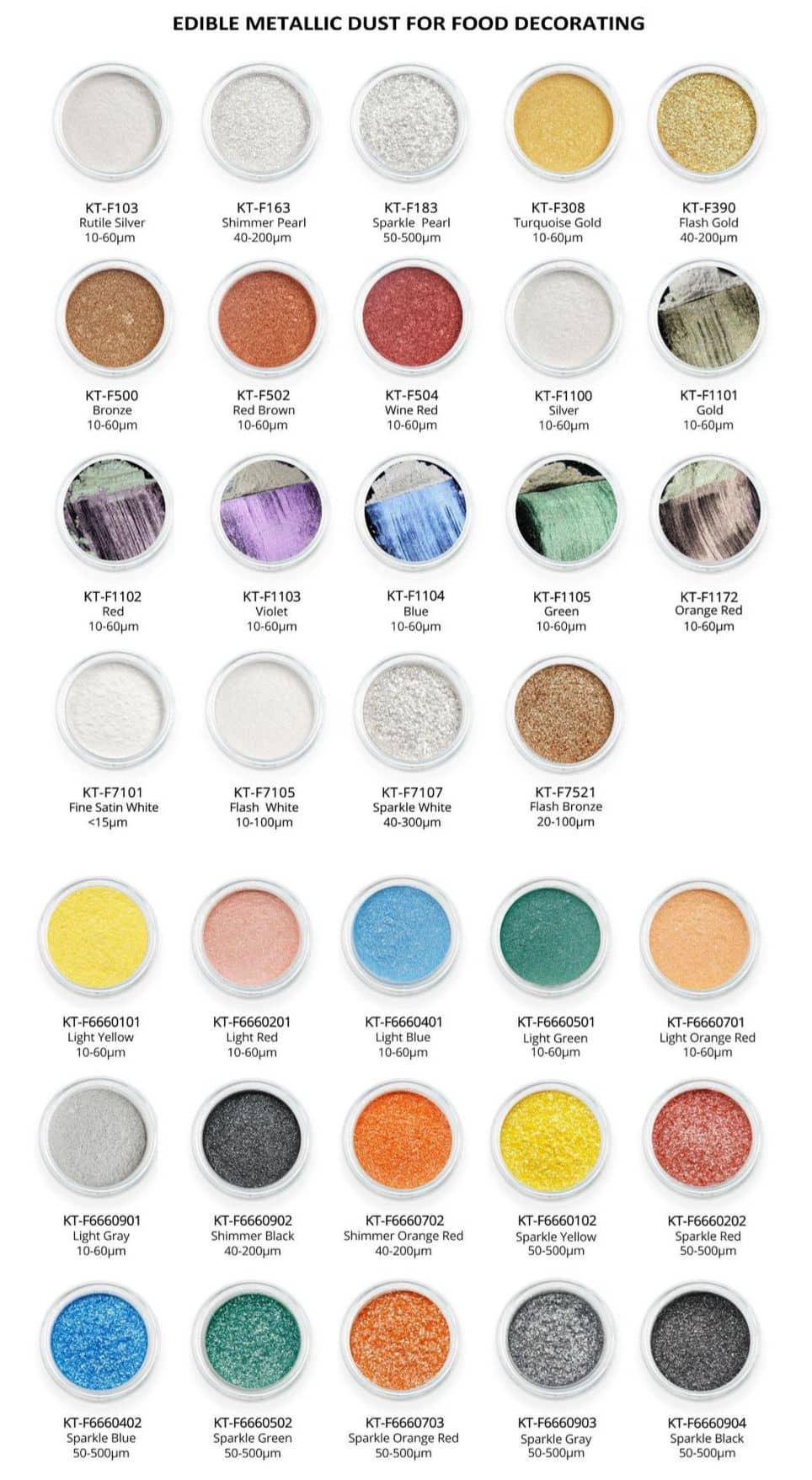
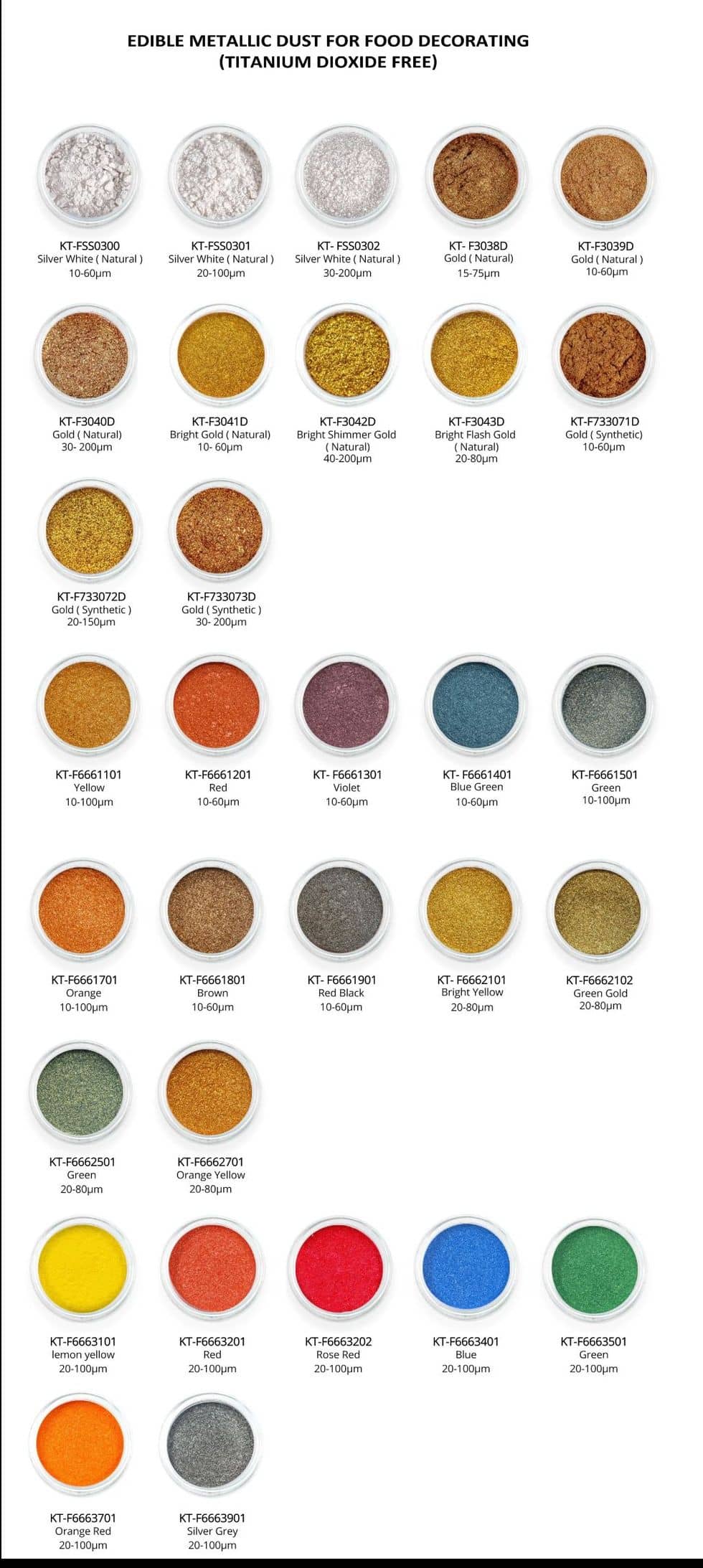
Particle size is probably the most underappreciated selection variable for cake decorating. Fine grades (roughly under 80μm) produce a smooth, satin-like shimmer that reads as elegant and refined — appropriate for wedding cakes and high-end celebration pieces. Coarser grades (100μm and above, up to 500μm) produce visible sparkle with individual glitter-like points of light, which reads as festive and fun — better suited for children's cakes, party desserts, and sprinkle-style applications.
One practical consideration: coarser particles do not disperse as smoothly when mixed into a liquid medium (alcohol painting, royal icing). They tend to settle faster and can create an uneven finish if not agitated continuously during application. For wet painting, fine grades are generally more workable.
These pigments are designed to blend seamlessly with other food colorings — gel colors, powder colors, and fat-based colorants — without significant compatibility issues. That said, the interaction between pigment and medium does affect final appearance:
| Type | Visual Effect | Best For | Limitation |
|---|---|---|---|
| Fine Pearl (satin) | Soft, uniform shimmer | Elegant cakes, fondant painting | Low sparkle impact at distance |
| Coarse Sparkle | High glitter, point-light sparkle | Party cakes, sprinkle toppers | Uneven in liquid mediums |
| TiO₂-Free Pearl | Similar to standard; slightly warmer tone | Clean-label, EU-compliant products | Shade range slightly narrower |
| Gold / Metallic | Rich metallic, high-reflectance finish | Painted accents, luxury finishes | Requires good surface prep for even finish |
Based on typical cake decorating use cases, the following guidance applies:
Q: Are these pigments genuinely food-safe, or are they the "non-toxic but not edible" type commonly sold as cake decorating products?
Kolortek's Edible Glitter Series is formulated from natural, food-safe ingredients and complies with international food safety standards. These are not cosmetic-grade or "non-toxic" materials relabeled for food use — they are purpose-formulated for direct consumption. ISO certification and Kosher certification are in place. MSDS and COA documentation is available upon request.
Q: Can these pigments be mixed with standard food gel colors or powder colors?
Yes. The pigments are designed to blend with other food colorings without compatibility issues. Mixing with gel colors can shift the overall hue while retaining the shimmer layer. Keep in mind that darker base colors will partially mask lighter pearl effects — in those cases, increase pigment concentration or apply as a surface layer rather than a mix-in.
Q: What is the difference between the standard Edible Glitter grades and the TiO₂-Free versions?
The standard grades use a mica substrate coated with titanium dioxide and iron oxides to achieve color and shimmer. The TiO₂-free versions use alternative coating systems that deliver comparable pearlescent effects without TiO₂. The visual output is closely matched in most shades. The primary reason to choose TiO₂-free is regulatory compliance — particularly relevant in the European Union, where restrictions on TiO₂ in food applications have been tightened.
Q: How do I ensure consistent results batch to batch when ordering larger quantities?
Kolortek produces these pigments with high batch-to-batch consistency as a documented performance standard. For technical buyers sourcing at production scale, COA (Certificate of Analysis) documents are available for each batch. It is also worth requesting a reference sample from an initial order to establish a visual benchmark against which incoming batches can be checked on-site.
If you are evaluating food-grade pearlescent pigments for cake decorating or other confectionery applications — whether for a specific shade, particle size, or TiO₂-free requirement — samples and full technical documentation (TDS, COA, MSDS) are available.
Contact the Kolortek technical team directly to discuss your application requirements or to request a sample set:
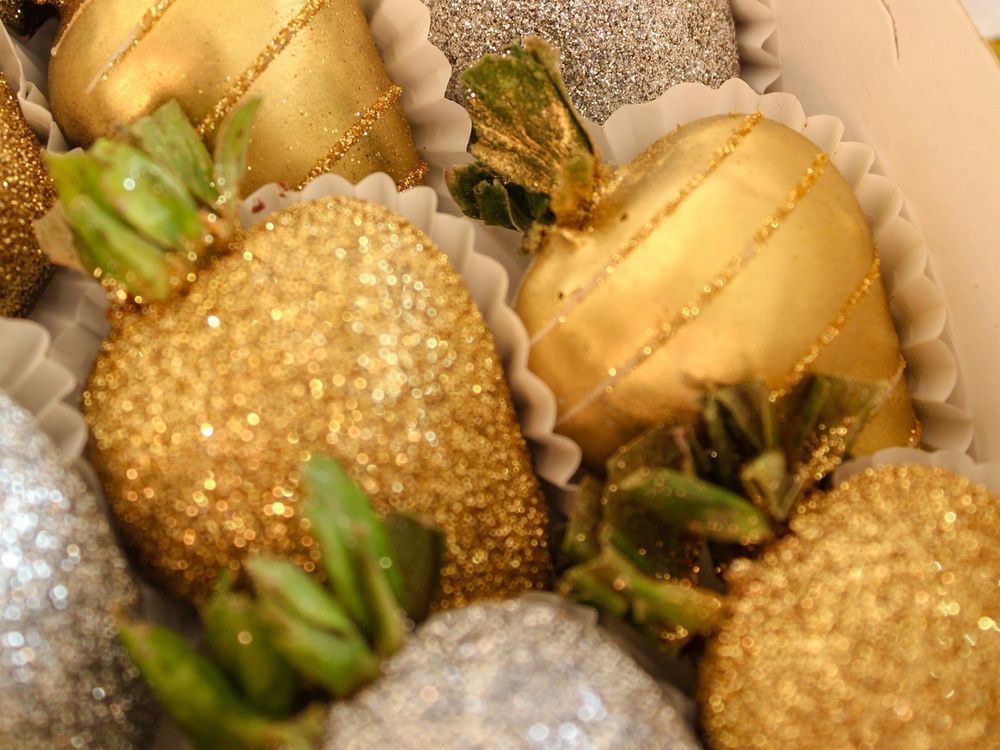
Edible glitter dust and pearlescent food dust are mica-based powders used to apply shimmer, gloss, and metallic effects to cakes, chocolates, cocktails, and a wide range of confections. Formulated from food-safe ingredients and compliant with international food safety standards, these powders deliver gold, silver, pearl, and vivid color effects directly on edible surfaces. Where visual presentation drives product value — from bakery counters to craft cocktails — this category of decoration material has become a standard tool in both artisan and industrial food finishing.
Read More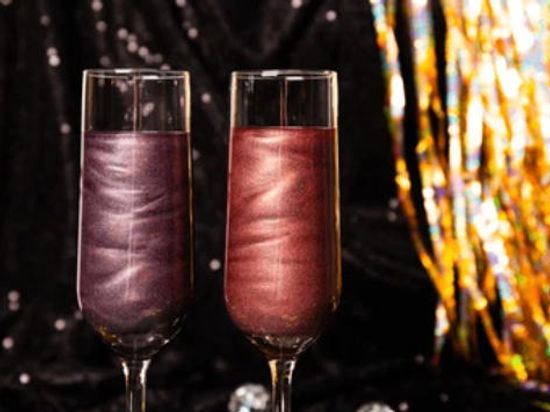
Edible glitter for cocktails and specialty beverages has become a serious formulation requirement — not just a novelty — as bars, beverage brands, and food manufacturers look to deliver memorable visual experiences. Pearlescent mica-based powders are the standard choice, offering gold, silver, and full-spectrum shimmer effects that remain suspended or settle into attractive patterns in liquid formats. Whether used as luster dust for drinks or blended directly into liquid systems, these pigments add a distinctive shimmering finish that elevates the drink's presentation at point of service.
Read More
Cake decorating with edible gold dust and food-grade pearlescent pigments has become standard practice for professional bakers and confectionery studios looking to add genuine metallic shimmer and lustrous pearl effects to finished products. These pigments — formulated from natural, food-safe ingredients — deliver consistent shimmery coverage across fondant, buttercream, chocolate, and sugar surfaces. Whether dusted directly onto tiers or mixed into a painting medium, cake pearl dust and related edible shimmer formats give decorators precise control over effect intensity, from a soft satin glow to a bold, reflective finish, making them the go-to choice wherever edible shimmer powder for cakes is specified.
Read More
 English
 Français
 Deutsch
 Русский
 Español
 Português