
Leave A Message
If you are interested in our products and want to know more details,please leave a message here,we will reply you as soon as we can.
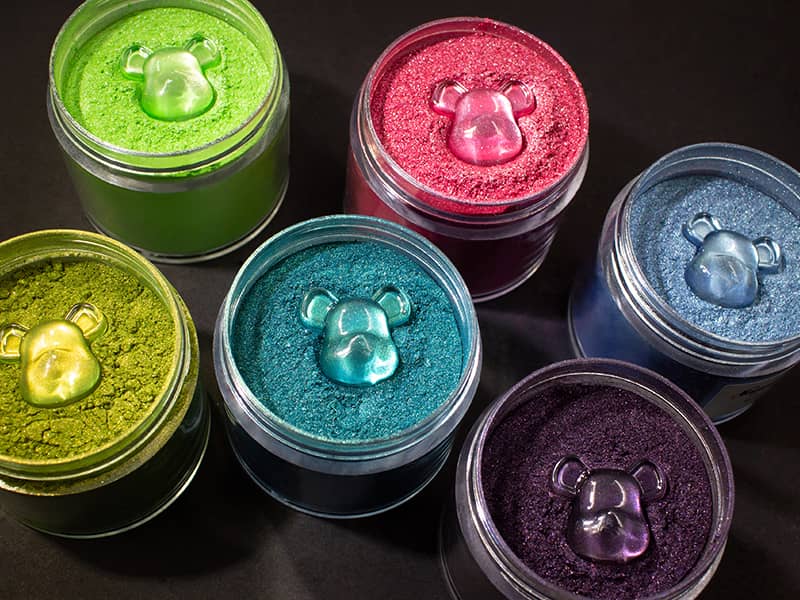
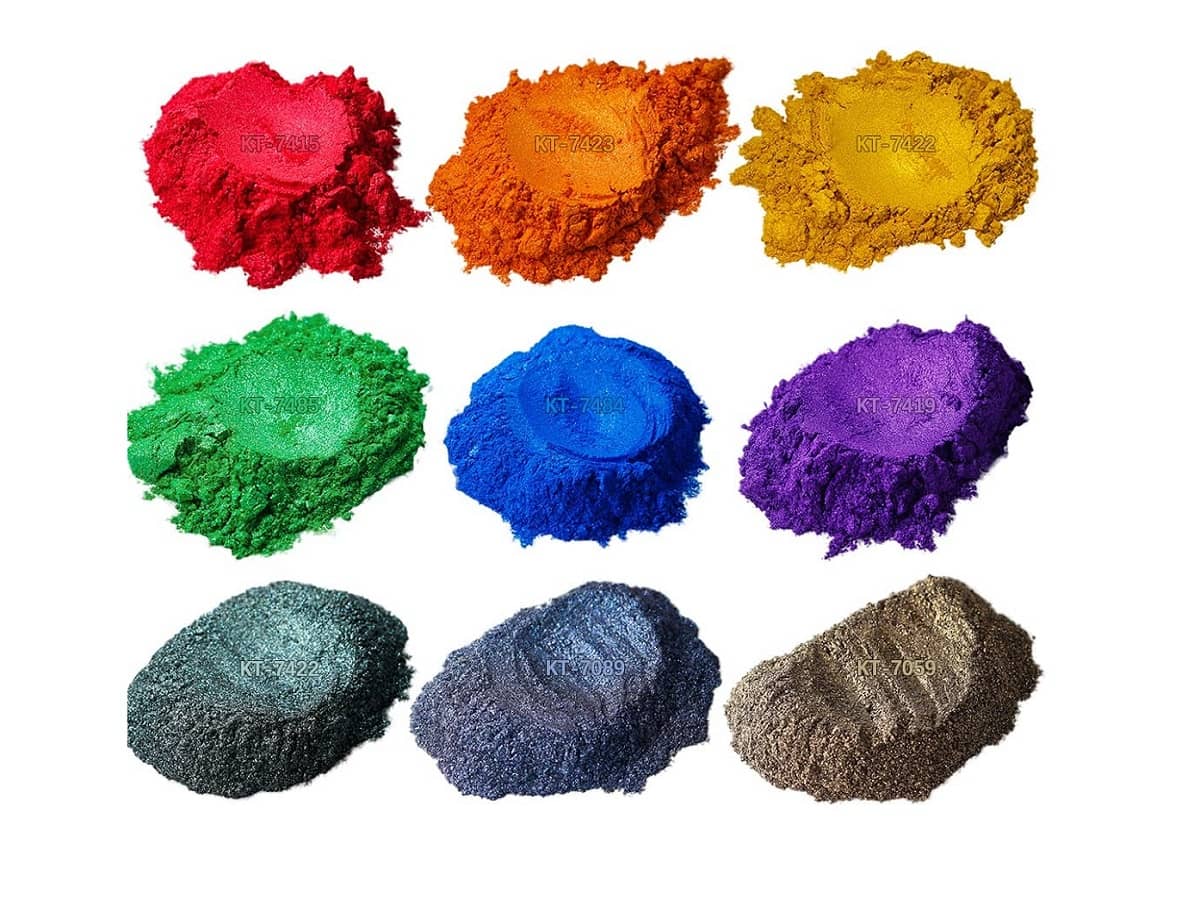
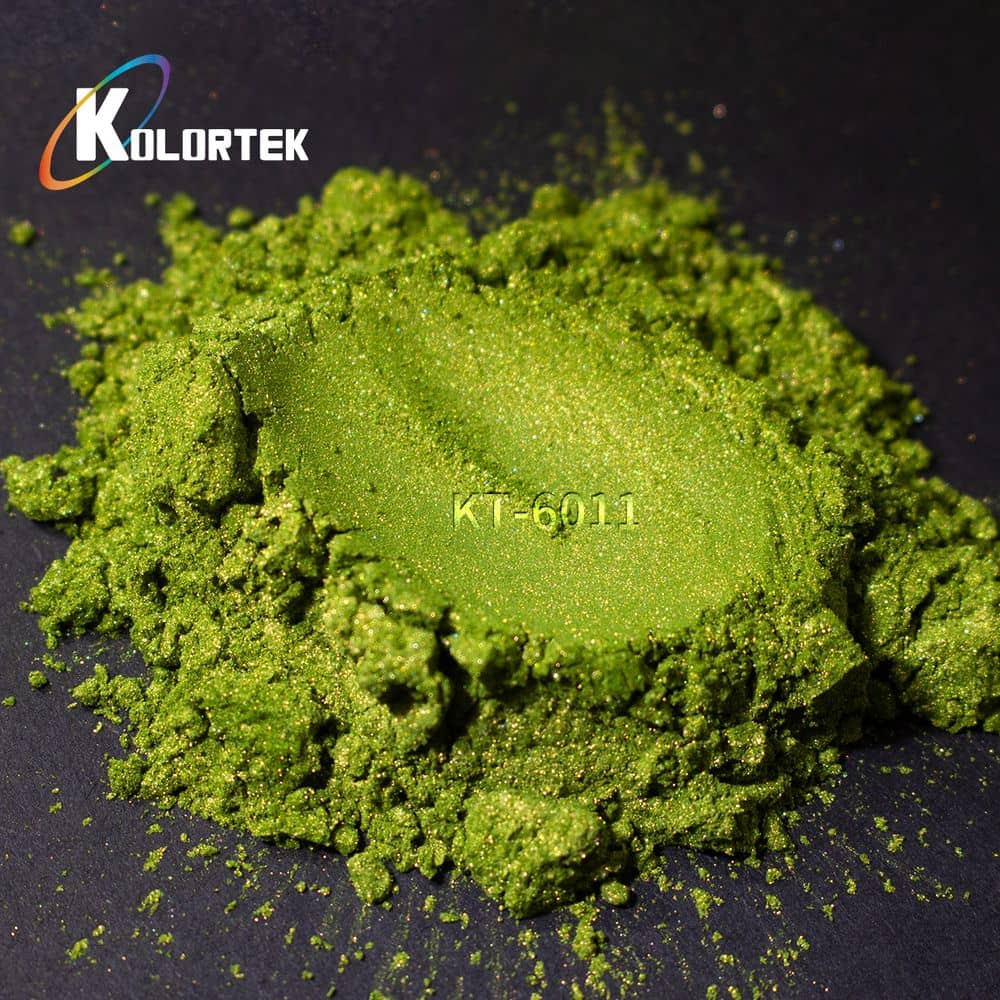
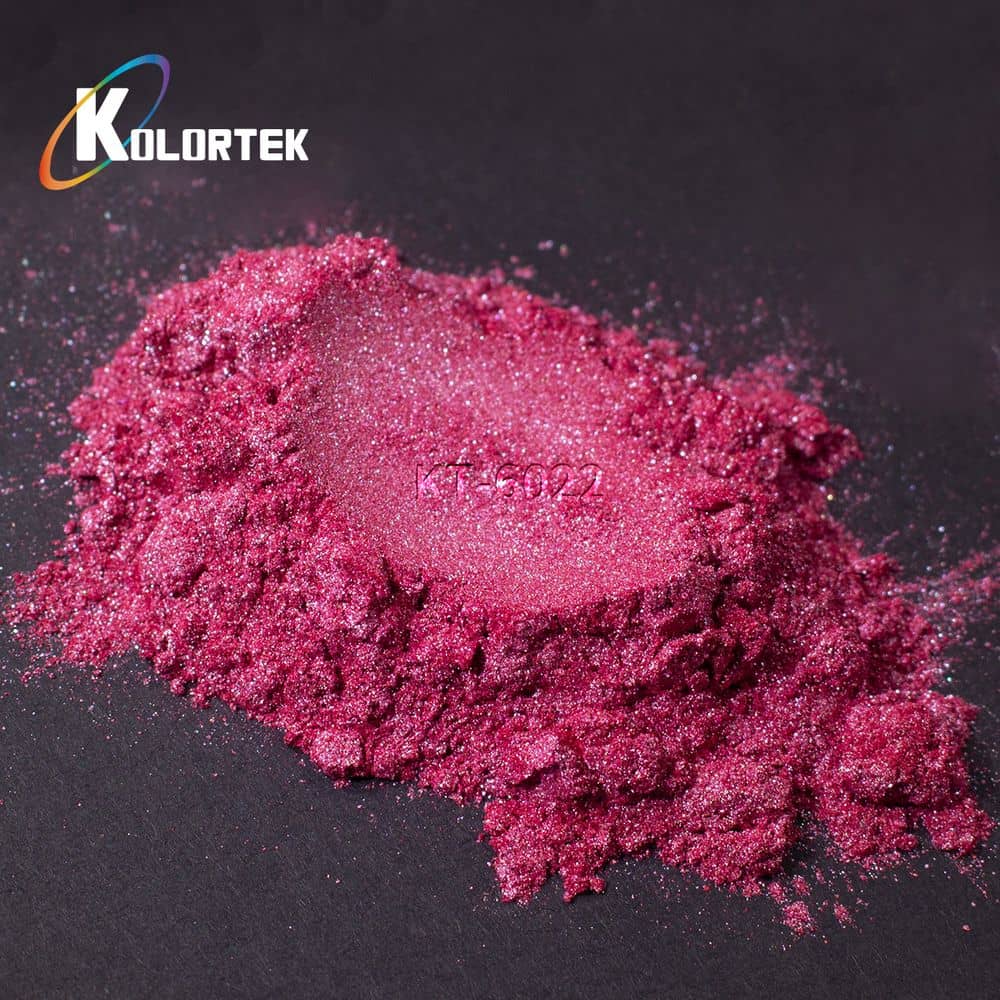
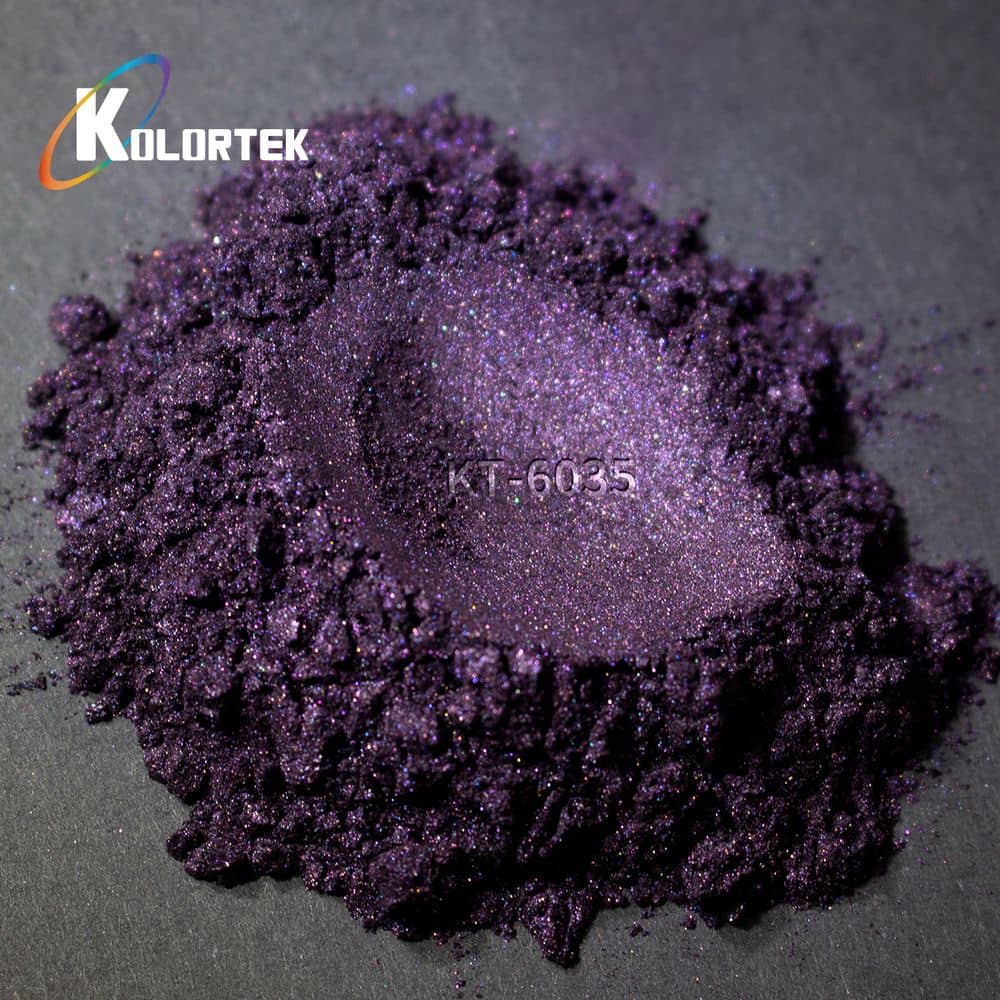
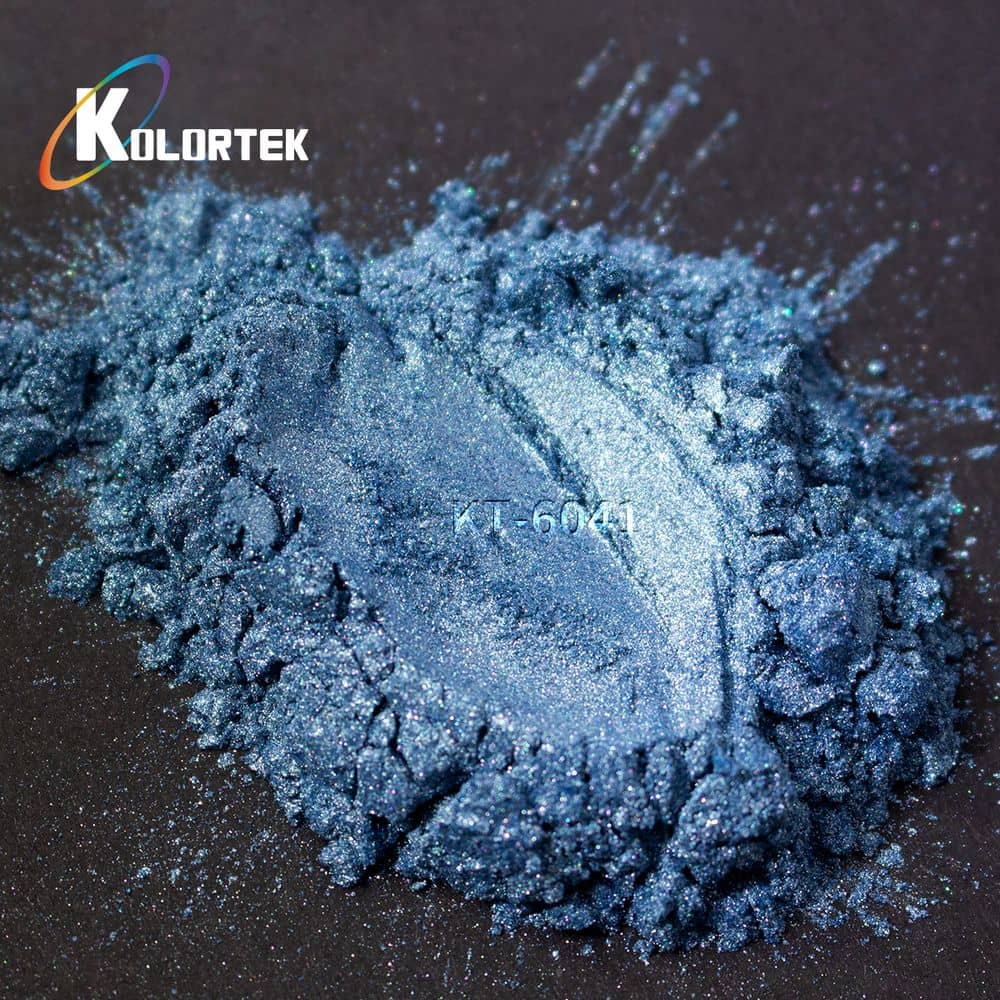
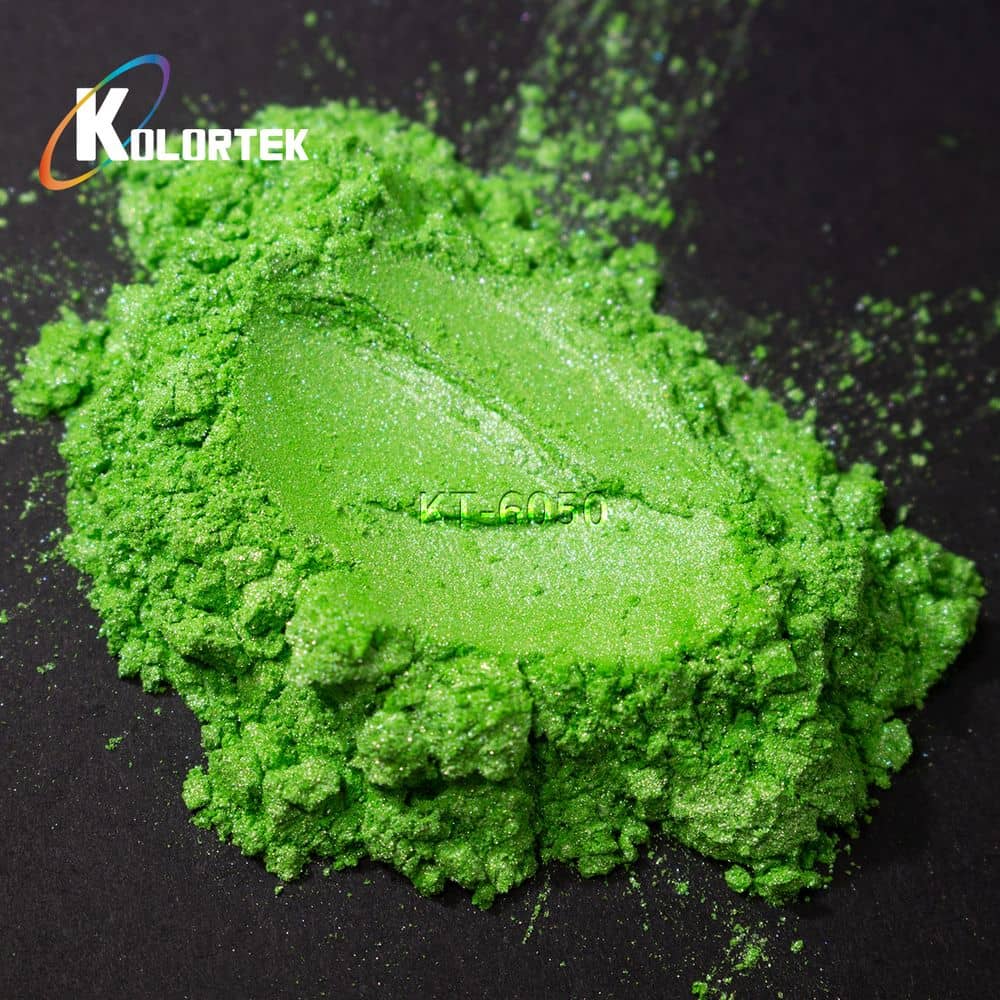
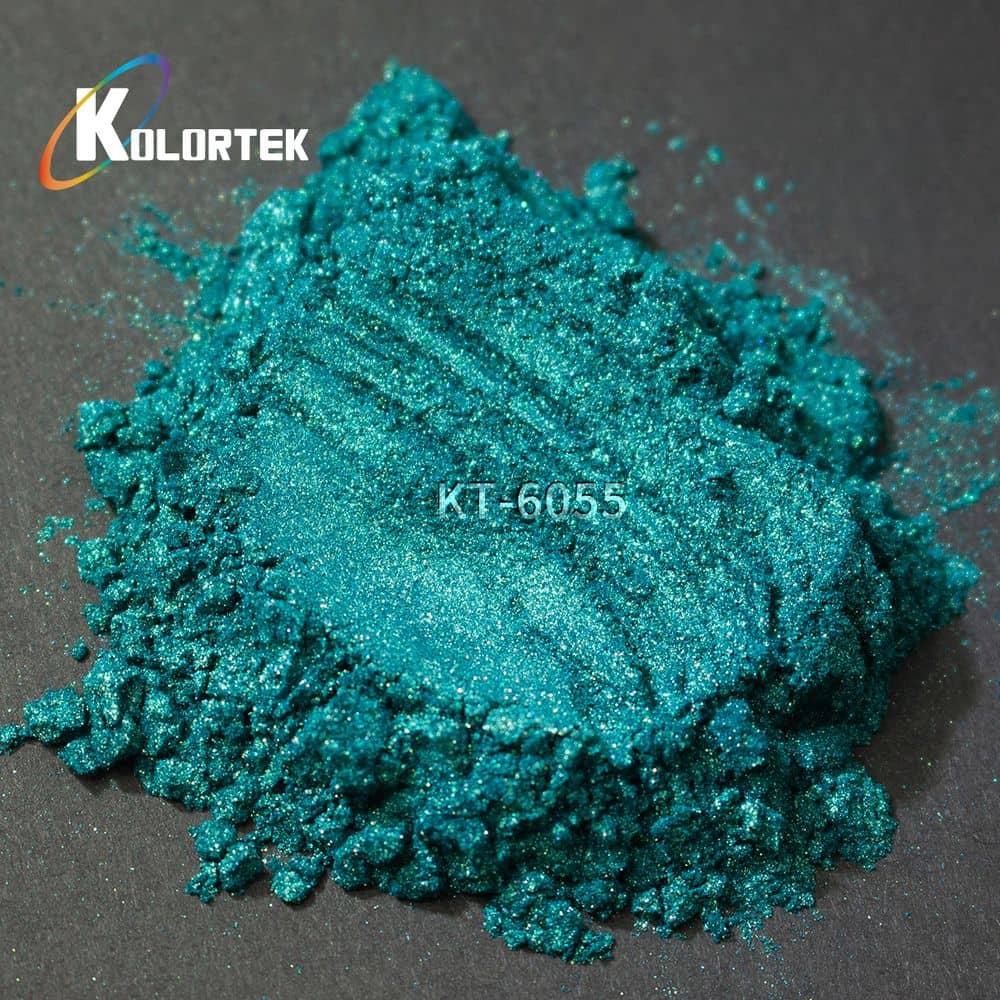
Kolortek's coloured mica powder multicolor offering spans natural mica and synthetic mica substrates, with dedicated cosmetic-grade variants and industrial-grade options across multiple series.
Item No. :
KT-600 (Natural Mica) / KT-7000 (Synthetic Fluorphlogopite)Color Effect :
Red, Orange, Yellow, Green, Blue, Violet, etc.Particle Size :
5-25μm, 10-60μm, 10-100μm, 30-150μm, etc.Brand :
Kolortek / OEMMOQ :
25 KGPearlescent pigments built on a mica substrate are well understood in this industry. What sets a multicolor series apart is the presence of light-absorbing materials — typically color pigments layered alongside titanium dioxide or tin dioxide coatings — that produce not just luster, but visible, saturated color with depth. The result is a pigment that reflects pearl-like shimmer while simultaneously delivering a defined hue: red, gold, blue, green, violet, and beyond.
Kolortek's coloured mica powder multicolor offering spans natural mica and synthetic mica substrates, with dedicated cosmetic-grade variants and industrial-grade options across multiple series. If you're sourcing across different end-use requirements — cosmetics, coatings, printing, or specialty crafts — the distinction between these substrates and series matters from both a performance and compliance standpoint.
The multicolor pearlescent range at Kolortek is organized across several series. Each carries a distinct substrate, particle size range, color palette, and application target. Here's how they break down:
| Series | Substrate | Primary Application | Typical Models |
|---|---|---|---|
| 660000 Natural Mica Multicolor Series | Natural mica (KT-600 base) | Industrial coatings, crafts, epoxy, printing | KT-6113, KT-6212, KT-6311, KT-6411, KT-6511, KT-6711, KT-6811, KT-6911, KT-6011 series, KT-66 series |
| 706000 SynStar Multicolor Series | Synthetic mica (fluorphlogopite) | High-end cosmetics, coatings, plastics | KT-7421, KT-7415, KT-7424, KT-7419, KT-7435, KT-7405, KT-7482–7485, KT-7059, KT-7089, KT-7099, KT-7659, KT-7669, KT-7689 |
| Cosmetic Pearl Multicolor (68800 / 699000 / 655000 / 6992000) | Natural & synthetic mica, cosmetic grade | Decorative cosmetics, personal care | KT-68824B, KT-68835, KT-68845, KT-699131, KT-699141, KT-6992011, KT-6992041, KT-655111, KT-655121, KT-6552201 series, KT-68860 series |
| KT-67000 Two Tone Series | Natural mica | Coatings, decorative applications | KT-67204, KT-67304, KT-67505, KT-67225, KT-67325, KT-67600A, KT-67619, KT-67635R |
Within each series, model numbers encode useful information about color family and particle size range. If you're comparing options, that structure is worth understanding before requesting samples.
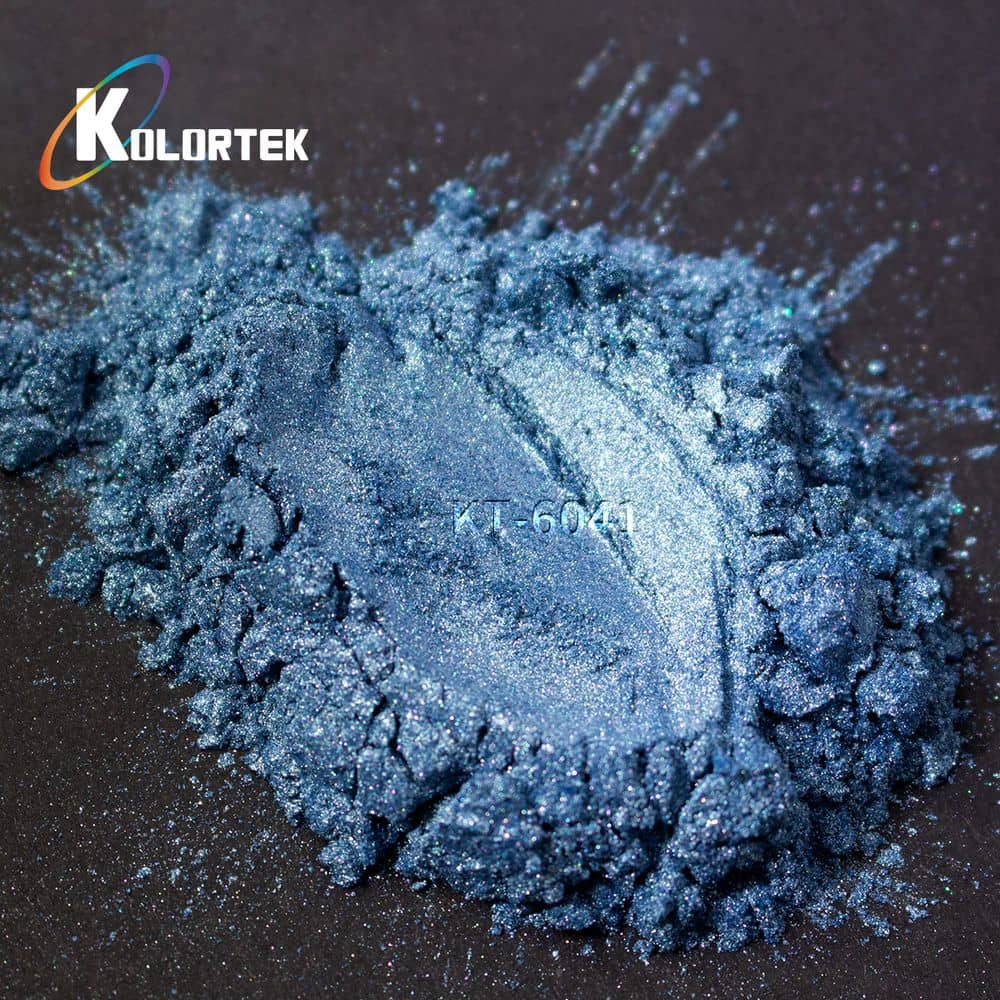
Both substrates produce effective coloured mica powder, but they behave differently in formulation and carry different regulatory profiles.
Natural mica (muscovite) is the standard for most industrial and many cosmetic applications. It's cost-effective, available in a wide particle size range, and performs well across paints, epoxy systems, and general decorative products. The KT-600-based multicolor series falls here.
Synthetic mica (fluorphlogopite) offers higher brightness and whiteness at the substrate level, better chemical purity, and no heavy metal concerns from the substrate itself — which matters increasingly in cosmetic compliance and in clean beauty formulations. The SynStar series and the synthetic-mica variants within the cosmetic series use this substrate. The trade-off is cost, which is measurably higher.
For cosmetic applications, the decision often comes down to regulatory region and product positioning. For industrial coatings or craft applications, natural mica typically delivers sufficient performance at a more practical price point.
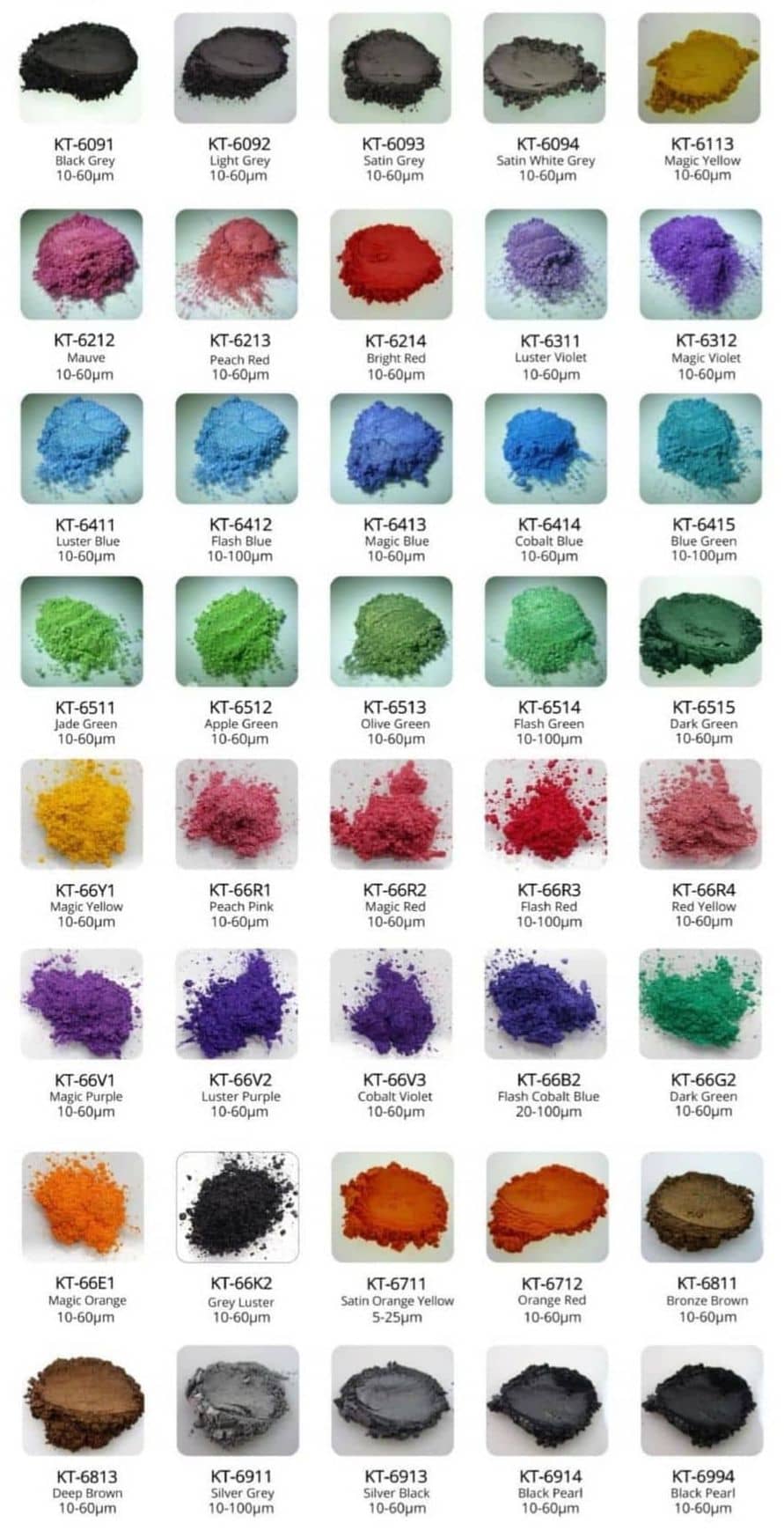
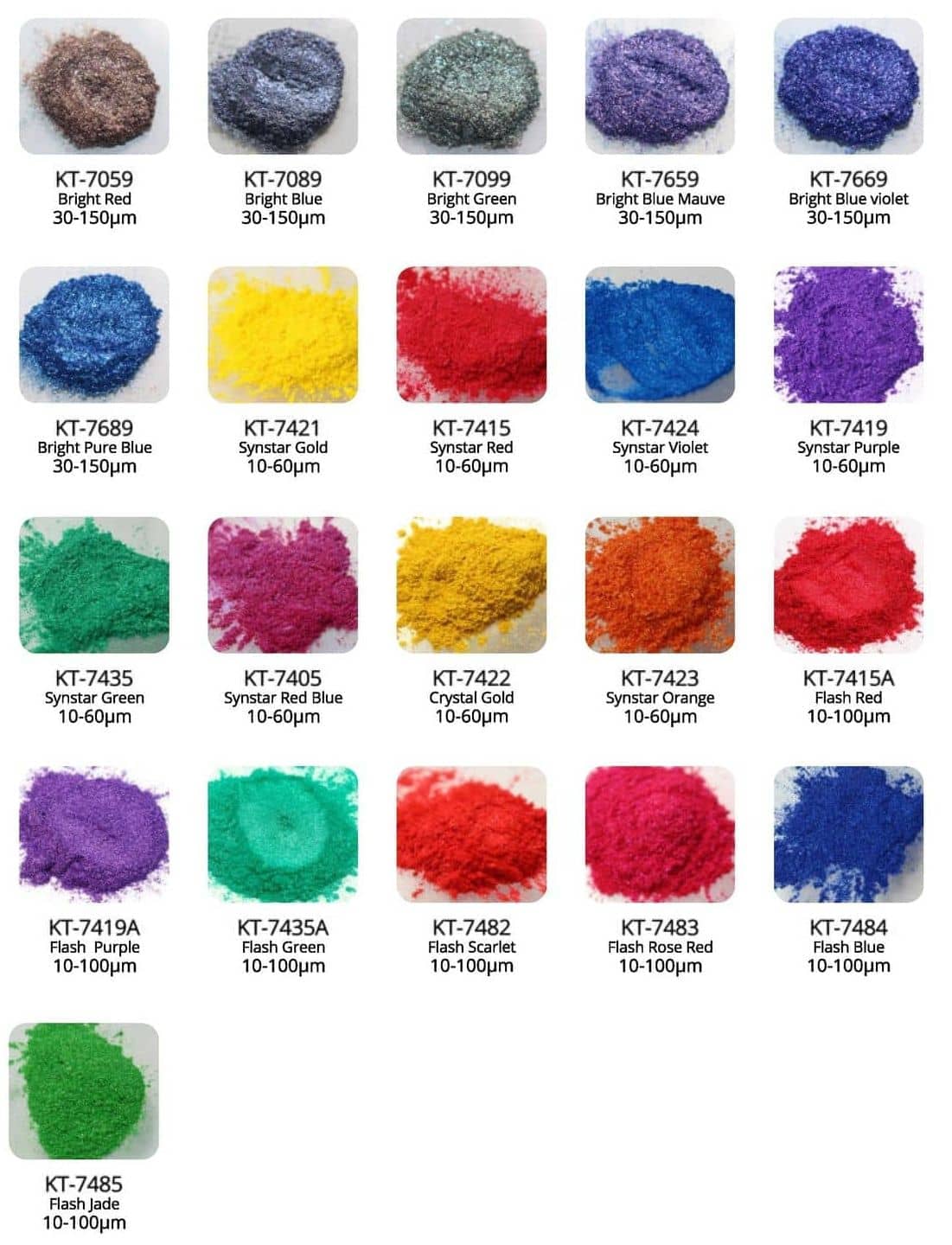
Decorative cosmetics and personal care: Eyeshadow, blush, highlighter, lip products, body shimmer, and soap. The cosmetic-grade multicolor series is specifically developed for this segment, with attention to skin compatibility, texture, and the color intensity expected in modern decorative formulations.
Nail products: Gel polishes and nail lacquers benefit from the fine-to-medium particle sizes in this range. Dispersion into polar solvent systems is generally straightforward, though surface treatment on the pigment affects this — check the specific grade.
Paints and architectural coatings: Multicolor mica pigments are commonly used in decorative wall coatings, water-based and solvent-based systems alike. The Two Tone series adds an angular-dependent color shift that works well for accent walls and specialty finishes.
Epoxy flooring and countertop / artificial marble: Coarser grades (typically 40–200 µm) are preferred here for visible sparkle. The pigments are chemically stable in epoxy systems and maintain color under typical cure conditions.
Printing: Fine particle sizes — generally under 25 µm — are required for screen or gravure printing to avoid clogging and ensure consistent laydown. Specific fine-grade models within the KT-6000 series are suited here.
Craft and DIY: Resin casting, candle making, paper crafts. Wide color range and ease of dispersion make the standard natural mica multicolor series a practical choice for this segment.
A mica pigment color powder in this category performs based on a combination of substrate quality, coating uniformity, and the nature of the color pigments used. A few things worth flagging for formulators:
In cosmetics, ingredient compliance isn't optional. Kolortek's cosmetic multicolor series is produced under quality controls aligned with major market requirements. Documentation including ISO, REACH, SGS, TÜV SÜD, and Kosher certifications is available upon request — contact contact@kolortek.com for specific certificates relevant to your market.
In practice, buyers sourcing for EU cosmetic or US personal care markets should specify the end-use at the inquiry stage, so the correct grade and documentation package can be confirmed. Not all grades in the broader multicolor range carry cosmetic certification — the 68800, 699000, 6992000, 655000, and 68860 series are the ones developed specifically for that segment.
A few practical points that come up regularly:
Loading levels: Typical use levels range from 1–5% in cosmetics and inks to 5–15% in coatings and epoxy systems. Higher loadings can be used, but return diminishes and dispersion becomes more critical.
Surface treatment: Some grades in the cosmetic series carry surface treatments (silicone, silane, or other) to improve skin feel or dispersion in oil/water phases. If this is relevant to your formulation, specify it — untreated and treated versions may both be available for the same color.
Compatibility: Generally compatible with most binders, resins, and cosmetic bases. No significant interactions with standard UV absorbers, thickeners, or common preservatives. That said, if you're formulating in a reactive system or with aggressive solvents, run compatibility checks on your specific grade.
Color matching: The visual appearance of mica pigment colors is highly orientation-dependent. Color measurements under a single illuminant angle can be misleading — multi-angle spectrophotometry (e.g., 45°/15°, 45°/45°, 45°/110°) gives a more accurate picture of how the pigment will behave in a finished film or pressed compact.
Q: What's the difference between the natural mica multicolor series and the synthetic mica (SynStar) multicolor series in practical terms?
A: Natural mica grades offer a broader particle size range and lower cost, making them the default for industrial coatings, epoxy, and many cosmetic applications. Synthetic mica produces a brighter, cleaner substrate with higher chemical purity — relevant for high-end cosmetics, compliance-sensitive markets, and applications where substrate whiteness affects the final color rendering.
Q: Can these pigments be used in water-based systems?
A: Yes. Most grades in this range are compatible with water-based coatings, aqueous cosmetic bases, and water-phase soap formulations. Wetting agents or humectants may improve initial dispersion in high-viscosity aqueous systems. Some grades with hydrophobic surface treatments may require a different incorporation approach — check the product datasheet.
Q: How do I select particle size for my application?
A: As a general guide — fine grades (5–25 µm) for printing inks, foundations, and pressed powders; medium grades (10–60 µm) for eyeshadows, lip products, liquid cosmetics, and standard coatings; coarse grades (60–500 µm) for epoxy floors, countertop applications, and open-coat crafts where visible sparkle is the goal. If you're unsure, request a sample across two particle sizes and evaluate in your actual matrix.
Q: Is documentation available for cosmetic compliance (REACH, safety data, INCI)?
A: Yes, for the cosmetic-grade series. Documentation availability varies by grade and destination market. Reach out directly with your specific model and target market to confirm what's available: contact@kolortek.com.
The multicolor pearlescent range covers a wide color space across multiple substrates and particle sizes. The fastest way to narrow down the right grade is to share your application, system type, particle size preference, and any compliance requirements.
Samples, TDS, SDS, and compliance documentation are available on request. Contact the technical team at contact@kolortek.com to get started.
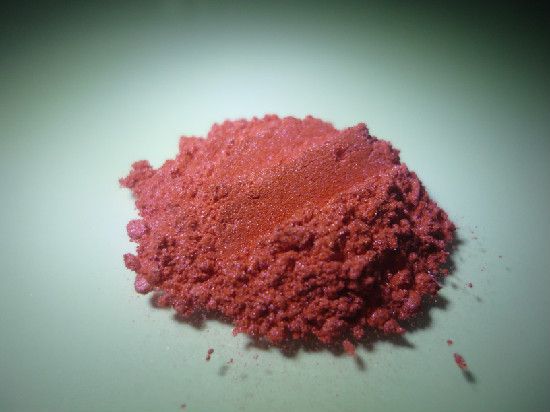
KT-6025 is a True Red natural mica pearlescent pigment in the 10–60μm particle size range — a colored mica grade from the KT-6000 Multicolor Series, produced by depositing a light-absorbing red colorant layer on a TiO₂-coated mica substrate. The result is a dual-effect visual: a silver-white reflection at the specular viewing angle and a saturated red absorption color at side and diffuse angles. At 10–60μm, KT-6025 suits coatings, nail lacquer, decorative applications, soap, and epoxy systems where a clean, high-chroma red pearlescent effect is required across a range of substrates.
Read More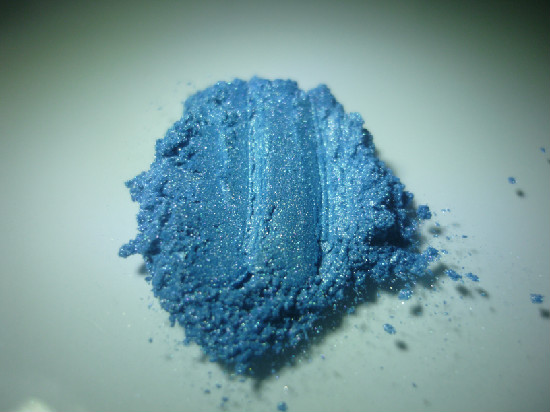
KT-6040 is an Ocean Blue natural mica pearlescent pigment — a colored mica grade from the KT-6000 Multicolor Series that produces a rich ocean blue absorption color at side and diffuse viewing angles, with a silver-white specular reflection at the direct reflection angle. At the standard 10–60μm particle size, it delivers a balanced blue pearl shimmer for coatings, nail lacquer, soap, epoxy systems, and decorative applications. Multiple particle size grades are available — from 5–25μm for printing inks and fine cosmetics to 30–150μm for bold sparkle in epoxy and craft resin — making Ocean Blue adaptable across a broad range of application methods and visual targets.
Read More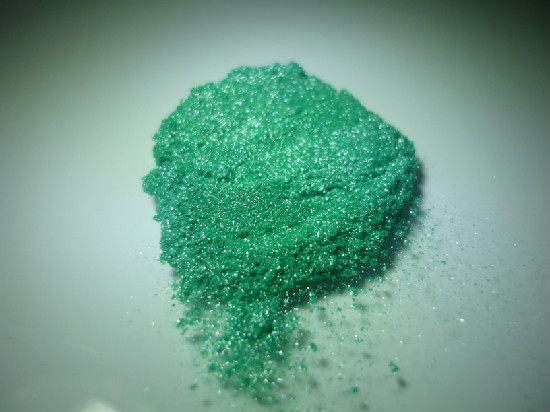
KT-6057 is a Flash Green natural mica pearlescent pigment in the 10–100μm particle size range — the coarser-format green grade in the KT-6000 Multicolor Series, optimized for applications where visible individual-platelet green sparkle is required alongside the silver specular reflection characteristic of the series. The 10–100μm distribution spans both the fine fraction (contributing green pearl background coverage) and the coarse fraction (contributing visible individual flash points) — producing a green pearl surface with pronounced sparkle that the standard 10–60μm grade does not achieve at equivalent loading. Epoxy flooring, decorative coatings, nail lacquer, and craft resin are the primary application contexts.
Read More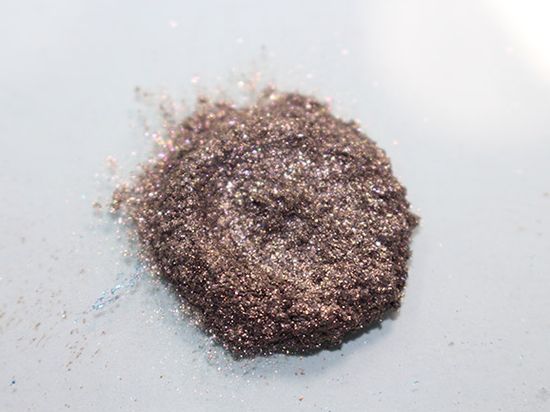
KT-7059 is a Bright Red synthetic mica pearlescent pigment in the coarse 30–150μm particle size range — a Fluorphlogopite-based colored mica grade from the KT-7000 series that delivers a bold red glitter sparkle effect with a silver-white specular reflection. The 30–150μm distribution positions KT-7059 firmly in the glitter-sparkle end of the spectrum: individual platelet reflections are clearly visible at normal viewing distances, making it well-suited for epoxy flooring, resin art, craft applications, nail lacquer, and decorative coatings where maximum red sparkle impact is the design target. The synthetic Fluorphlogopite substrate provides higher purity and fewer dark mineral inclusions than the natural mica equivalent.
Read More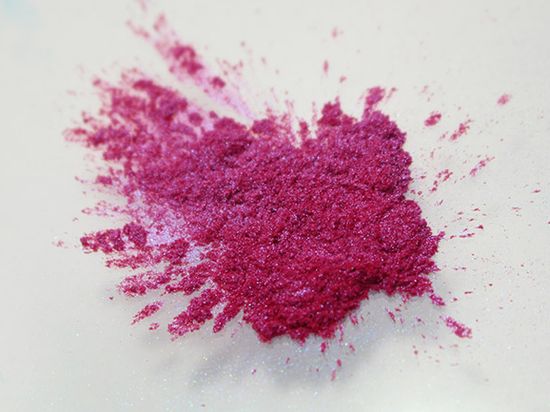
KT-7405 Synstar Red Blue is a synthetic Fluorphlogopite mica pearlescent pigment in the 10–60μm particle size range that produces a dual red-blue absorption color alongside a silver-white specular reflection — a color-complex grade that sits outside the standard single-hue range of the KT-7000 Multicolor Series.
Read More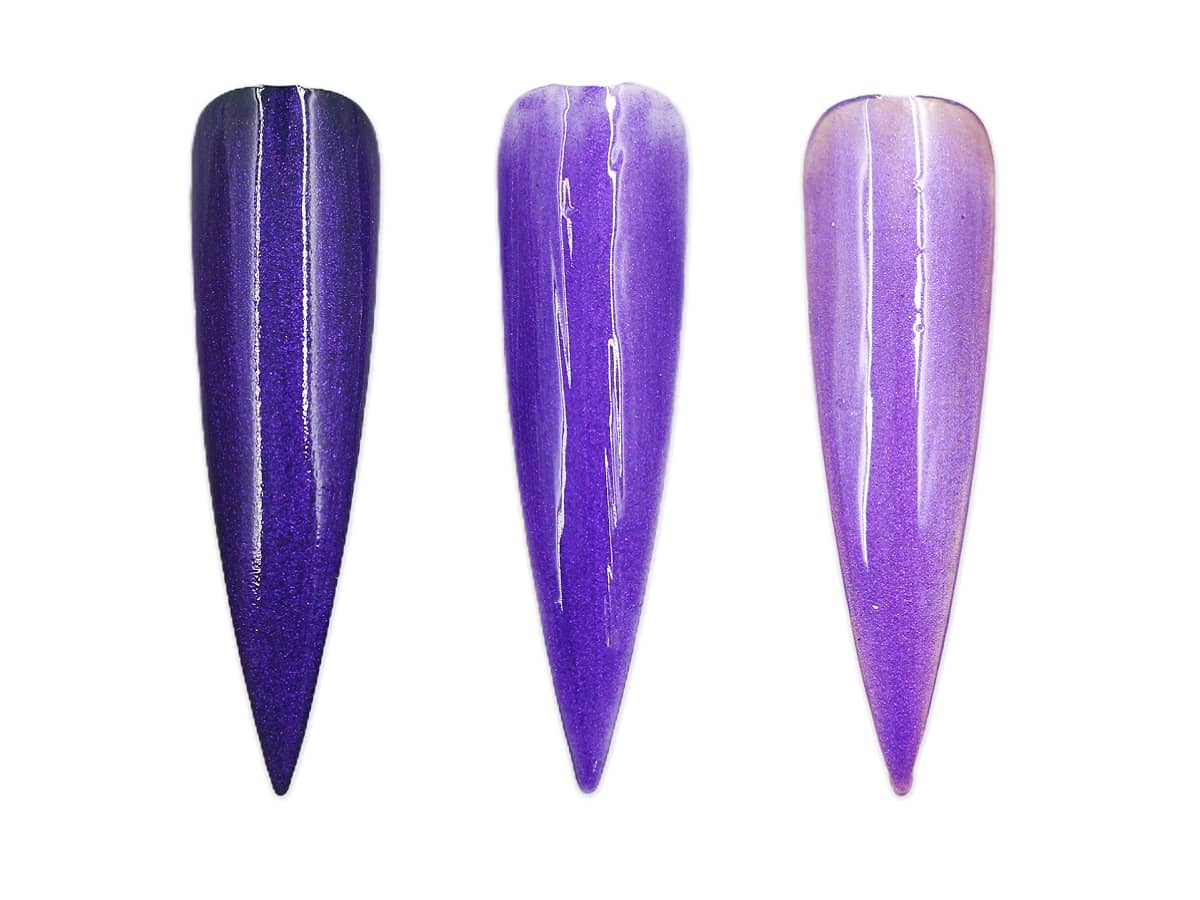
KT-7419A is a Flash Purple synthetic Fluorphlogopite mica pearlescent pigment in the 10–100μm particle size range — the coarser flash-grade variant of KT-7419 Synstar Purple, designed for applications where visible individual-platelet purple sparkle is required alongside background pearl coverage.
Read More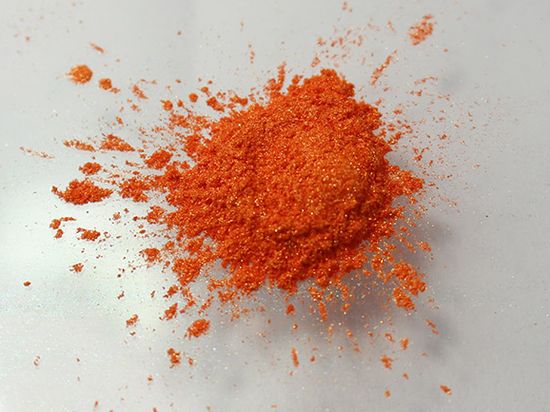
KT-7423 Synstar Orange is a synthetic Fluorphlogopite mica pearlescent pigment in the standard 10–60μm particle size range that delivers a warm orange absorption color at side and diffuse viewing angles alongside a silver-white specular reflection at the direct angle
Read More
Kolortek's coloured mica powder multicolor offering spans natural mica and synthetic mica substrates, with dedicated cosmetic-grade variants and industrial-grade options across multiple series.
Read More
 English
 Français
 Deutsch
 Русский
 Español
 Português