Security printing relies on features that are easy to verify but difficult to counterfeit. Color-shift pigments—also known as optical variable pigments (OVP) or chromashift pigments—have become established elements in banknotes, passports, tax stamps, product authentication labels, and...
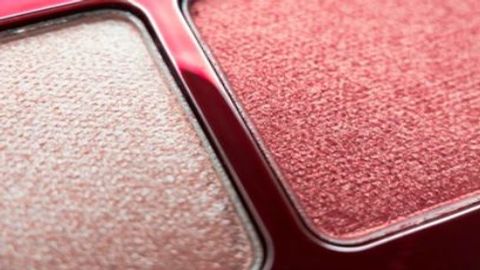
Eye shadows and highlighters represent one of the most demanding segments in decorative cosmetics. These products require pigments that deliver intense color payoff, smooth texture, excellent blendability, and long-wearing performance. The visual effects range from soft satin finishes to high-impact...
Plastics processing places more demanding constraints on pigment performance than most other effect pigment applications. Injection molding, extrusion, and blow molding expose pigments to temperatures between 180°C and 320°C depending on the polymer system — a range that eliminates mos...
Craft and art applications — epoxy resin art, fluid painting, candle making, model painting, leather finishing, tumblers, and mixed media — are among the most visually effect-driven uses of pigment powders. Effect pigments define the work: the shimmer in a resin pour, the color shift in...
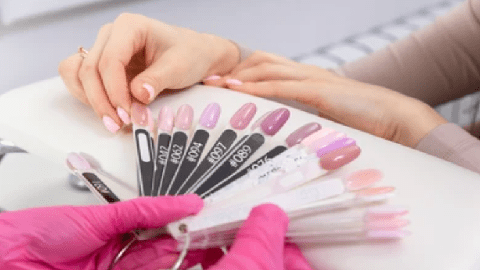
Nail art is one of the most effect-pigment-intensive segments of the cosmetics industry. A single gel nail collection may require chrome powders, cat eye magnetic pigments, holographic effects, color-shift chameleons, pearl bases, and glitter toppers — each requiring its own pigment chemistry...
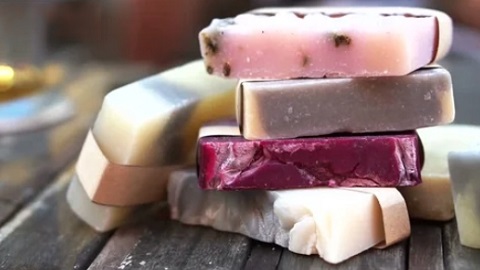
Soap making — from artisan cold process bars to commercial melt-and-pour production — relies on colorants and effect pigments to define product appearance and support brand positioning. Pearl mica, metallic shimmer, holographic glitter, and matte colorants each serve different aesthetic...





 English
 Français
 Deutsch
 Русский
 Español
 Português