Leave A Message
If you are interested in our products and want to know more details,please leave a message here,we will reply you as soon as we can.
Rutile Silver Edible Luster Dust, Food Safe 10–60μm – F103
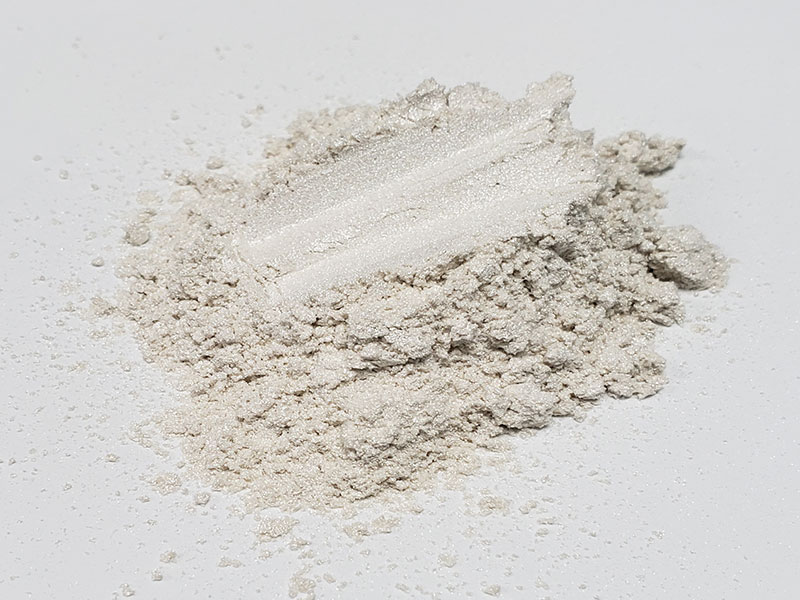
F103 is a rutile-grade silver edible luster dust from Kolortek's Edible Glitter Series — a food-safe, mica-based pearlescent powder distinguished by the higher refractive index of its rutile titanium dioxide coating. Compared to standard anatase-coated grades, rutile silver delivers a brighter, more specular shimmer with improved optical clarity, making it a preferred choice for applications where luminosity and color depth matter. The 10–60μm particle range suits fine surface work, liquid suspension, and airbrush decoration. Compliant with international food safety standards, F103 is suitable for use in cakes, chocolates, beverages, and specialty confections.
Item No. :
F103Color Effect :
Rutile SilverParticle Size :
10-60μmBrand :
Kolortek/OEMMOQ :
25KGApplication :
Food Decoration
F103 sits within the food-safe segment of Kolortek's pearlescent pigment portfolio, specifically the Edible Glitter Series. The designation "rutile silver" indicates that the mica flake substrate is coated with rutile-phase titanium dioxide rather than the more commonly used anatase phase. Rutile TiO₂ has a higher refractive index (approximately 2.7 vs. 2.5 for anatase), which produces a more intense, mirror-like pearl effect with greater optical brightness. This makes F103 visually distinct from standard silver luster dusts — the shimmer appears crisper and more defined, particularly on dark or glossy food surfaces such as chocolate or mirror glaze.
Within the portfolio, F103 occupies a performance tier above basic silver luster dusts, targeting applications where premium visual quality is a priority.
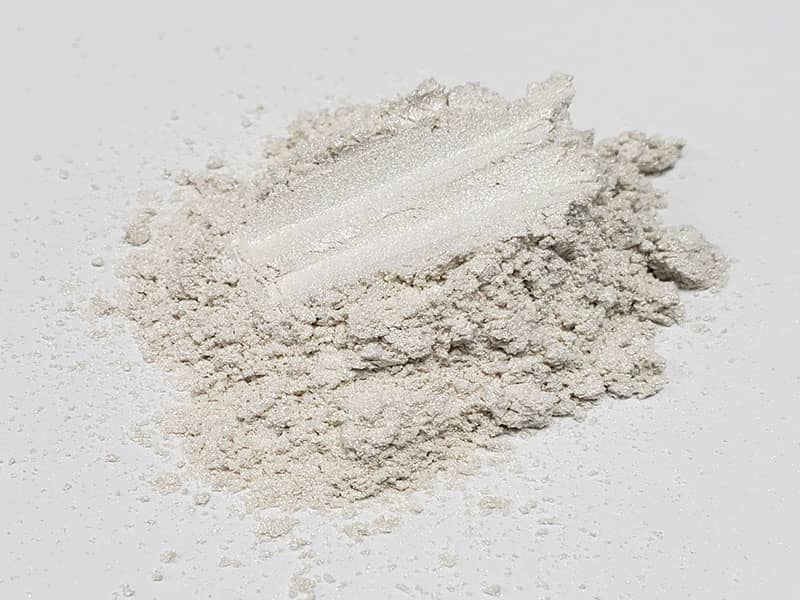
The rutile silver effect of F103 works best on surfaces where optical contrast amplifies the shimmer — dark chocolate, black or colored fondant, mirror glazes, and transparent beverages. Key application areas include:
| Property | Description |
|---|---|
| Product Code | F103 |
| Color | Silver |
| Effect Type | Rutile pearlescent / high-brightness metallic shimmer |
| TiO₂ Phase | Rutile (higher refractive index than anatase) |
| Substrate | Food-grade mica |
| Particle Size (this grade) | 10–60μm |
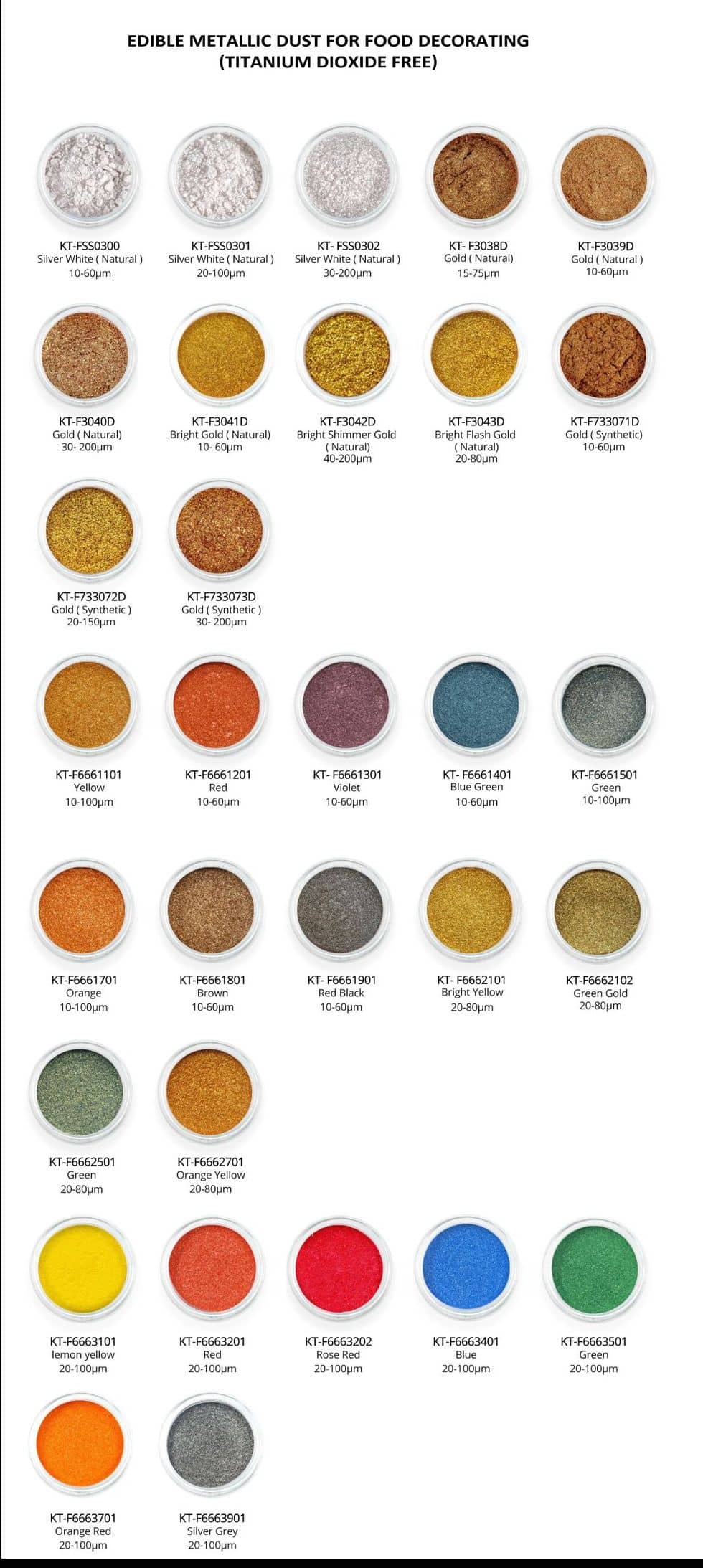
| Other Available Sizes | 20–80μm, 20–100μm, 20–150μm, 30–200μm, 40–200μm, 50–500μm |
| Form | Fine powder (luster dust) |
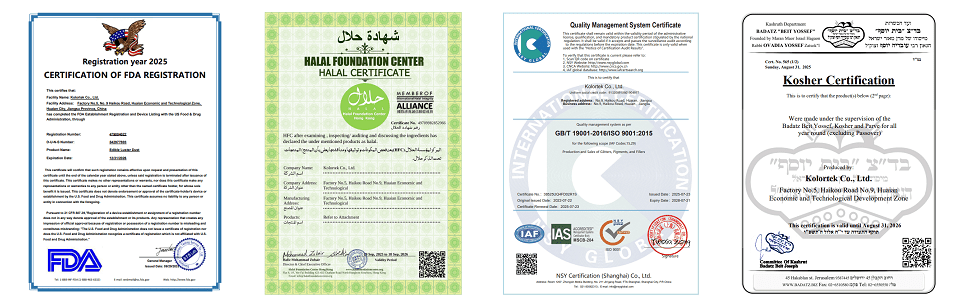
| Compliance | Formulated to meet international food safety standards (contact us for documentation) |
| TiO₂-Free Option | Available upon request |
| Recommended Use | Cakes, chocolates, beverages, mirror glazes, confections, ice cream |
Rutile vs. anatase selection: If the application surface is light-colored or pastel, the visual difference between rutile and anatase grades is less pronounced. The brightness advantage of rutile silver is most apparent on darker substrates — black or deep-colored fondant, dark chocolate, and strong-colored mirror glazes — where the higher refractive index translates directly to visible luminosity contrast.
Particle size and application method: The 10–60μm grade is optimized for airbrush suspension and liquid media. For dry brush application on fondant or chocolate, the 20–80μm or 20–100μm grades may offer a slightly more visible shimmer per brushstroke. Coarser grades (40–200μm and above) are better suited for bold glitter effects on opaque surfaces.
Dispersion in beverages: Pre-mix in a neutral spirit (vodka, clear gin) or simple syrup before adding to the final drink. Direct addition to aqueous beverages without pre-dispersion can result in uneven distribution. Shaking or stirring the finished drink before serving activates the shimmer effect.
Blending: F103 can be blended with gel food colors or edible dusts to produce tinted silver variations. Start with a small addition of color and increase incrementally — the pearlescent base is optically strong and small amounts of tint produce visible shifts.
Storage: Keep sealed in a cool, dry environment. Avoid prolonged exposure to humidity, which can affect powder flowability and airbrush performance.
Kolortek has manufactured effect pigments for over 20 years, serving industrial and specialty markets across Europe, North America, and Asia. The portfolio includes pearlescent, metallic, holographic, chameleon, thermochromic, fluorescent, and glow-in-the-dark pigments, with dedicated food-safe and cosmetic-grade series developed to stricter ingredient standards.
Custom development is available for non-standard particle sizes, specific color matching, or TiO₂-free formulations. Kolortek supports consistent batch production for industrial-scale buyers and can provide technical documentation, safety data, and sample quantities for evaluation prior to order.
Q: What is the practical difference between rutile silver and standard silver edible luster dust?
A: Rutile TiO₂ has a higher refractive index than the anatase phase used in standard silver grades. In practice, this translates to a brighter, more specular pearl effect — the shimmer appears more defined and reflective. The difference is most visible on darker food surfaces where optical contrast is high. On light or white surfaces, the visual gap narrows.
Q: Is F103 safe for use in foods intended for direct consumption?
A: F103 is formulated with food-grade ingredients and produced to meet international food safety standards for decorative use. For region-specific regulatory documentati
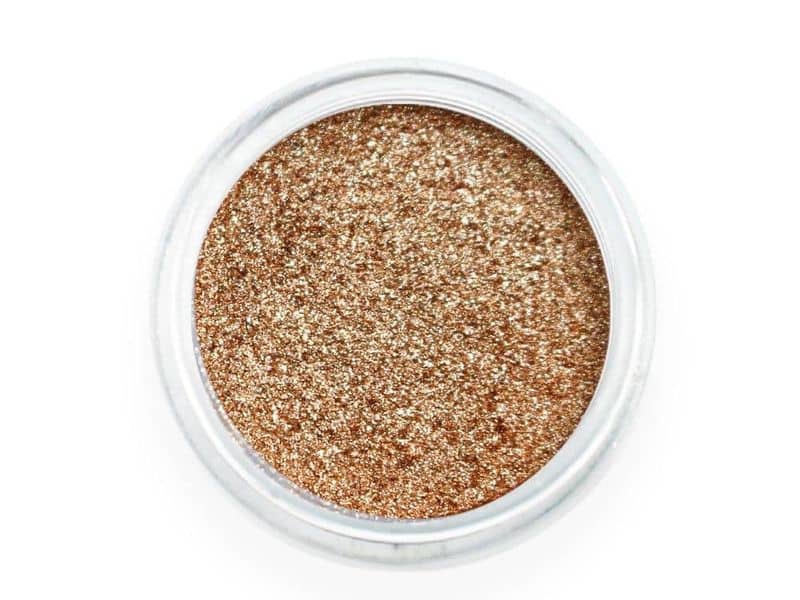
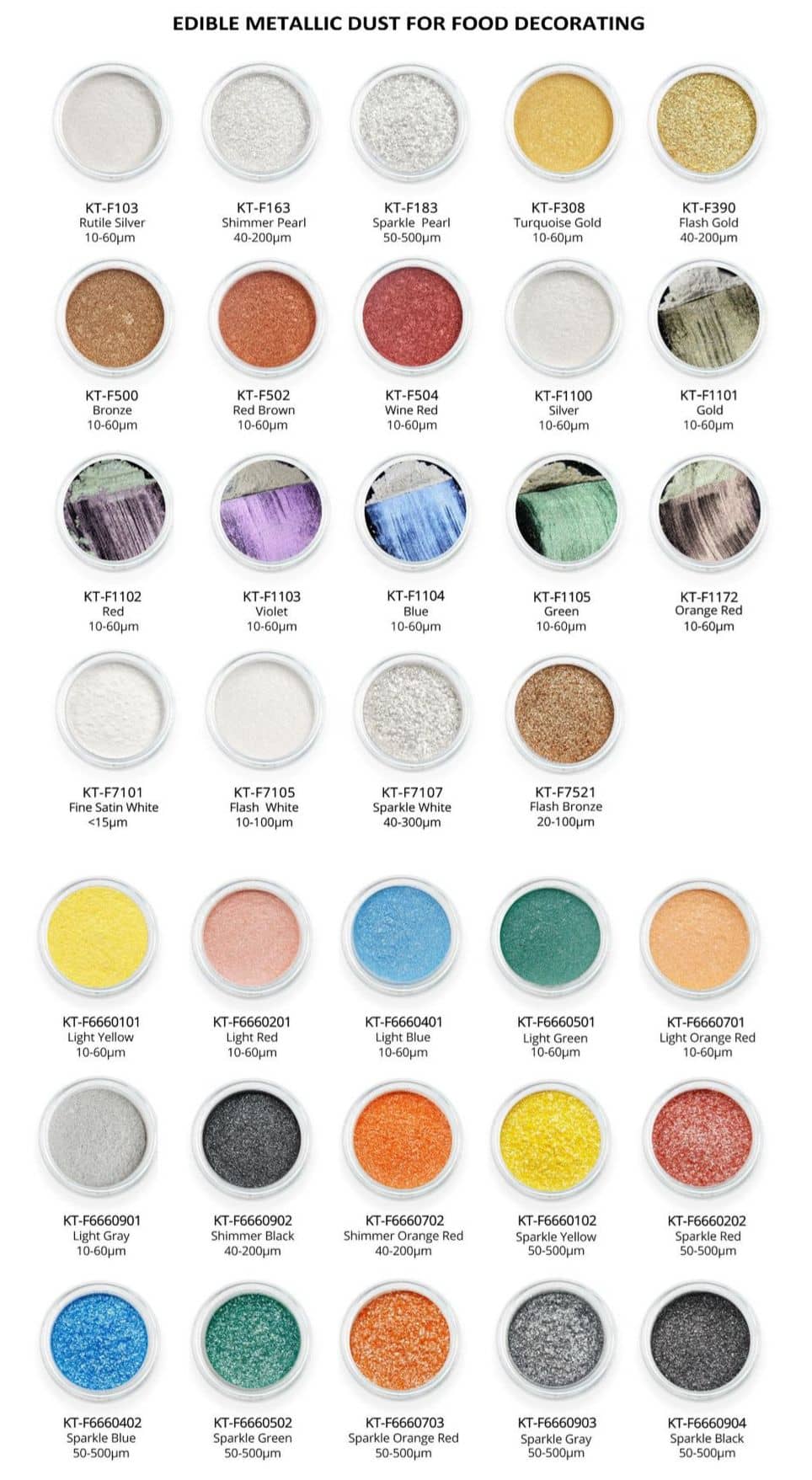
Kolortek F7521 is a flash bronze metallic luster dust built on a fluorphlogopite and iron oxide base, delivering a rich warm metallic shimmer that reads clearly on both matte and glossy food surfaces. Titanium dioxide free and compliant with international food safety standards, it qualifies as a genuine edible luster dust for professional confectionery applications. Formulators and decorators reach for it most often on chocolate coatings, sculpted cake tiers, and beverage garnishes where a dense bronze metallic finish is the target effect.
Read More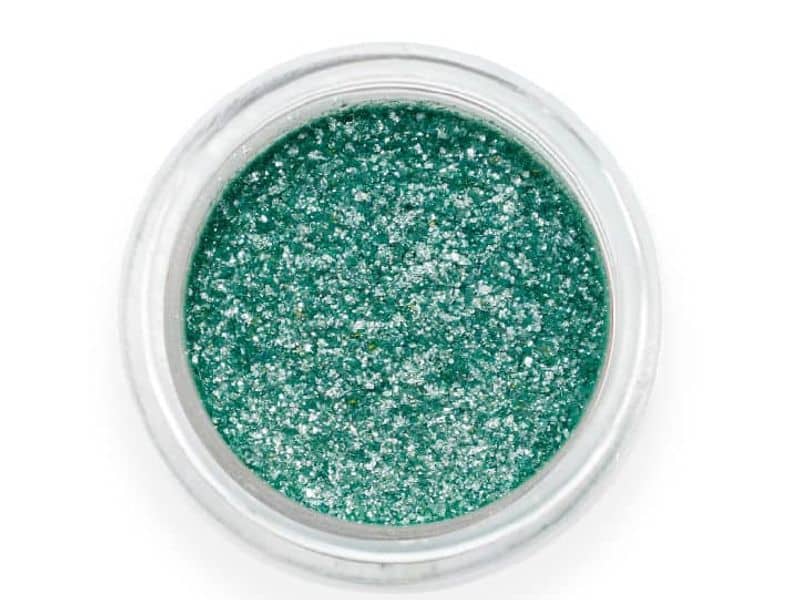
F6660502 is a pearlescent mica-based edible luster dust delivering a vivid sparkle green shimmer across cakes, chocolates, and cocktails. It qualifies as food safe glitter, fully compliant with international food safety standards, and blends seamlessly with other colorings. A practical choice for decorating applications where visual impact and formulation safety both matter.
Read More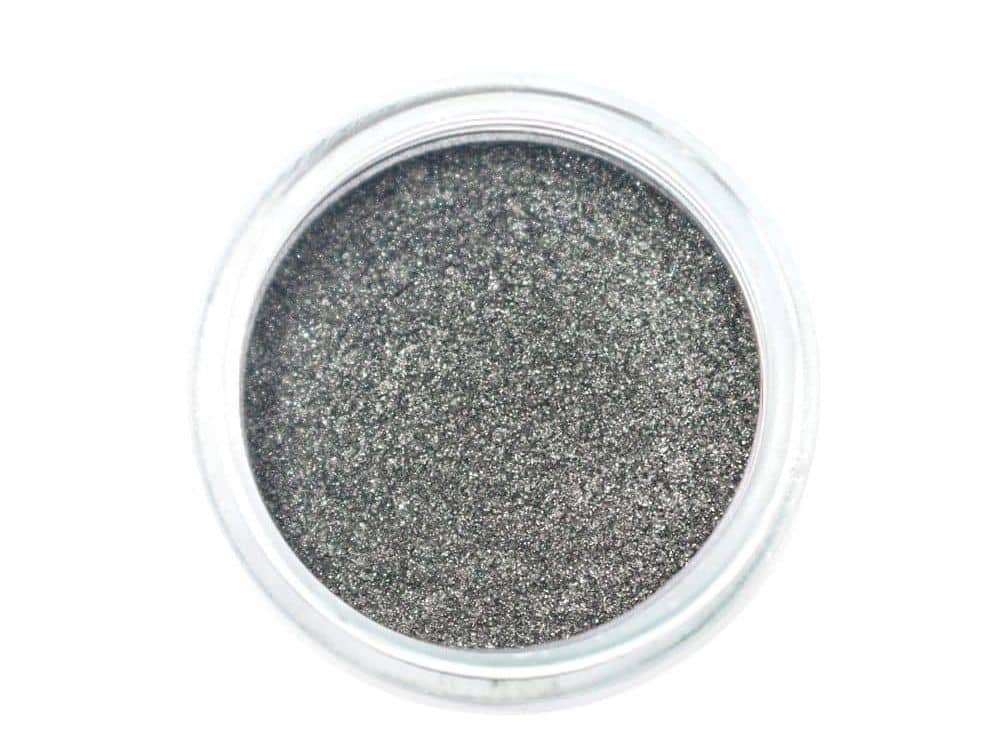
F6663901 is a silver grey edible glitter dust built on a natural mica base, delivering a clean, soft shimmer without titanium dioxide — making it a reliable choice for clean-label food decoration. It disperses smoothly across surfaces and works equally well on cakes, chocolates, and beverages where a pearlescent finish is needed.
Read More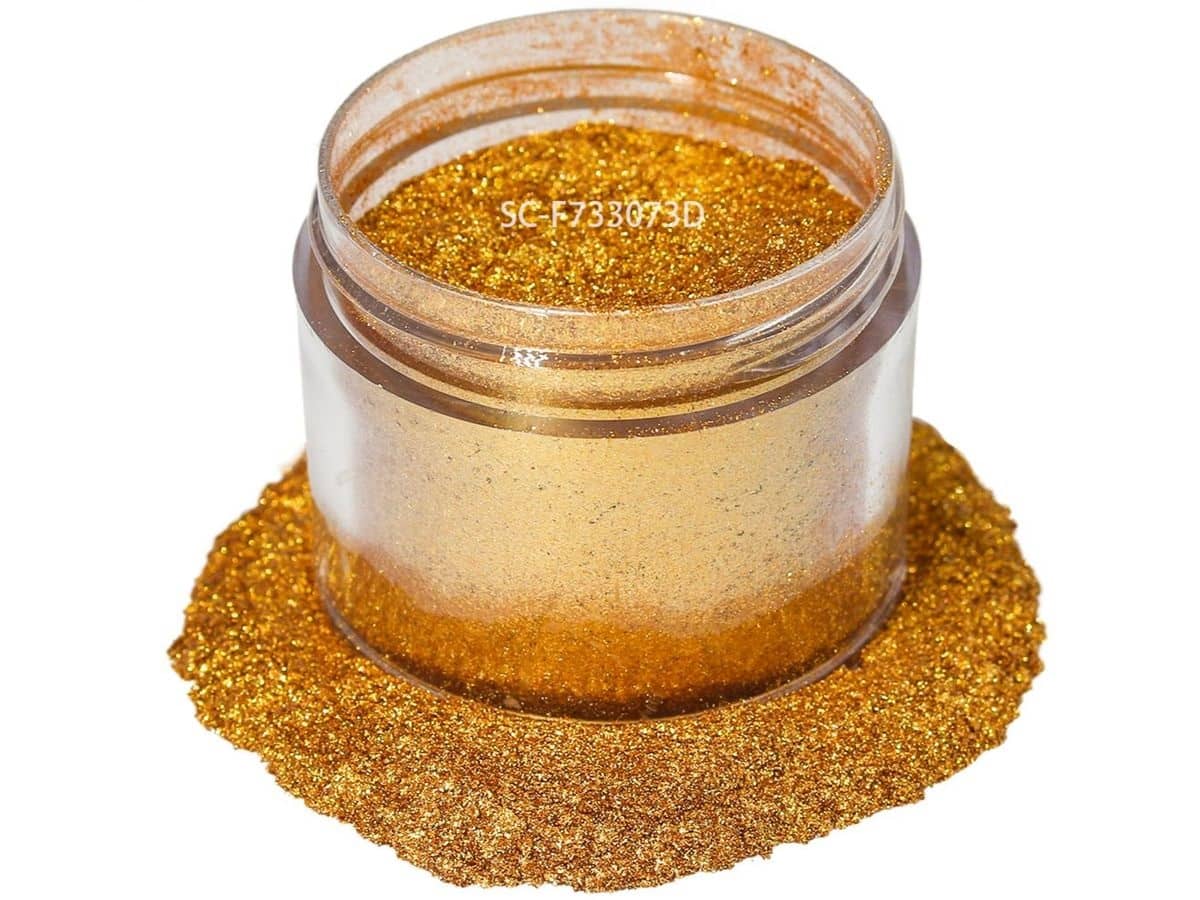
F733073D is a coarse-particle synthetic edible luster dust delivering a rich gold shimmer across a broad range of food decoration applications. Formulated without titanium dioxide, this titanium free edible dust meets the growing demand for cleaner-label decorative ingredients — making it a practical choice for chocolates, cake surfaces, and cocktail finishes. As a synthetic edible glitter, it offers consistent particle distribution and color stability batch to batch.
Read More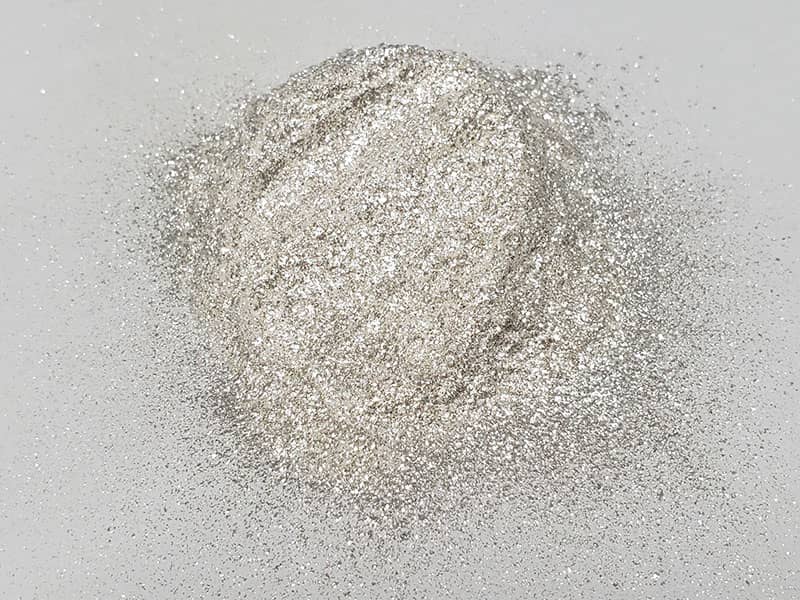
F7107 is a large-particle edible luster dust built on a fluorphlogopite base, delivering a bright, chunky sparkle effect that reads clearly on finished food surfaces. As a sparkle white dust, it performs well on cakes, chocolates, and cocktails where high visual impact matters. Fully compliant with international food safety standards, it integrates cleanly with other colorings without compatibility issues.
Read More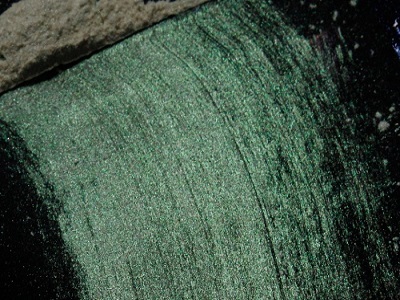
F1105A is a pearlescent mica-based green edible dust that delivers a fine, shimmery sparkle across a broad range of food decoration applications. As an edible glitter built from natural ingredients and compliant with international food safety standards, it performs reliably on cakes, chocolates, cocktails, and confections alike. Formulators and pastry professionals working with colored finishes will find it blends cleanly with existing colorings without affecting the base formulation.
Read More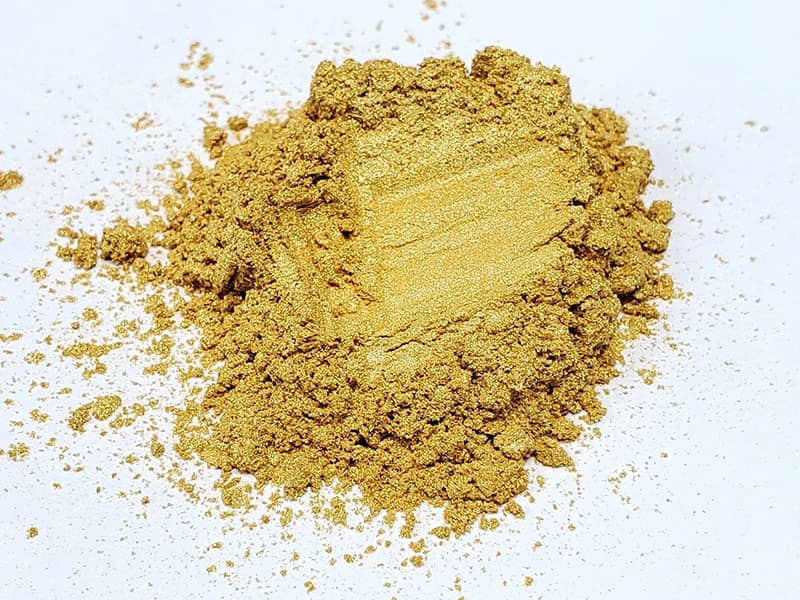
F308 is a pearlescent mica-based turquoise edible dust with a warm gold interference — delivering a dual-tone shimmer that reads differently depending on angle and light. Purpose-built as an edible glitter for cakes, cake pops, chocolates, and cocktails, it disperses evenly across surfaces without clumping or bleeding. Fully compliant with international food safety standards, it's a reliable choice for decorators and food manufacturers who need consistent, visually striking results.
Read More
F1103A is a pearlescent mica-based violet edible dust engineered to deliver a rich, shimmery shimmer across food surfaces — from fondant-covered tiers to hand-piped chocolate work. Fully compliant with international food safety standards, it functions as both a standalone decorative finish and as a blend component in custom color systems. Formulators working with confectionery coatings and dessert studios alike rely on it as a dependable luster dust where consistent violet hue and batch-to-batch stability are non-negotiable. It also serves well as an edible dusting powder for cakes when applied dry-brush or suspended in a carrier medium.
Read More
 English
 Français
 Deutsch
 Русский
 Español
 Português