
Leave A Message
If you are interested in our products and want to know more details,please leave a message here,we will reply you as soon as we can.
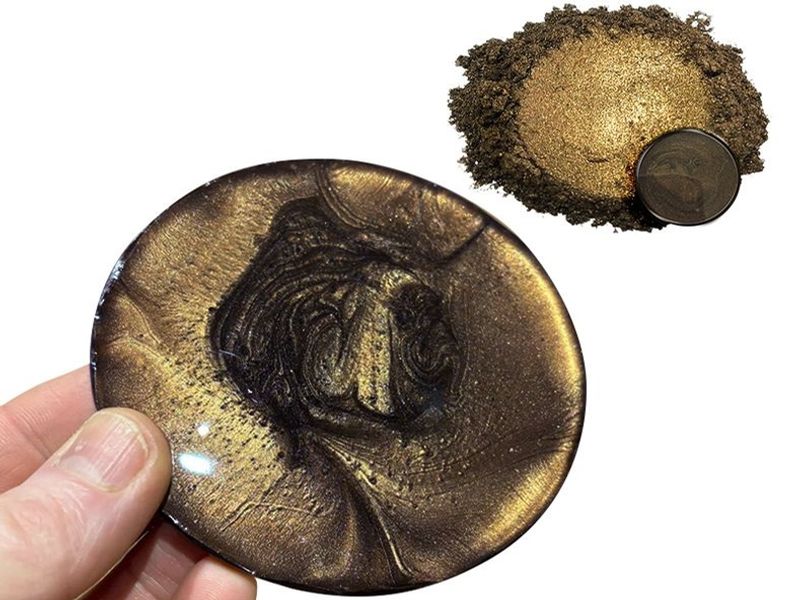
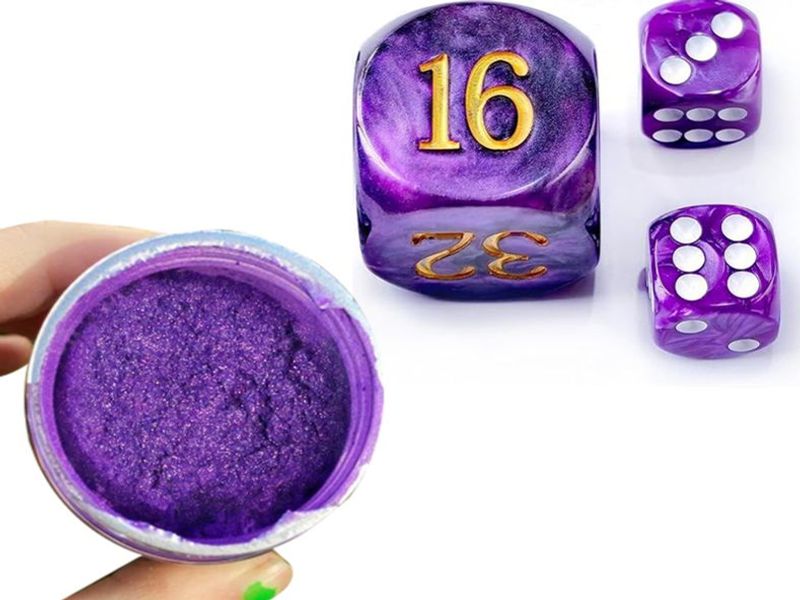
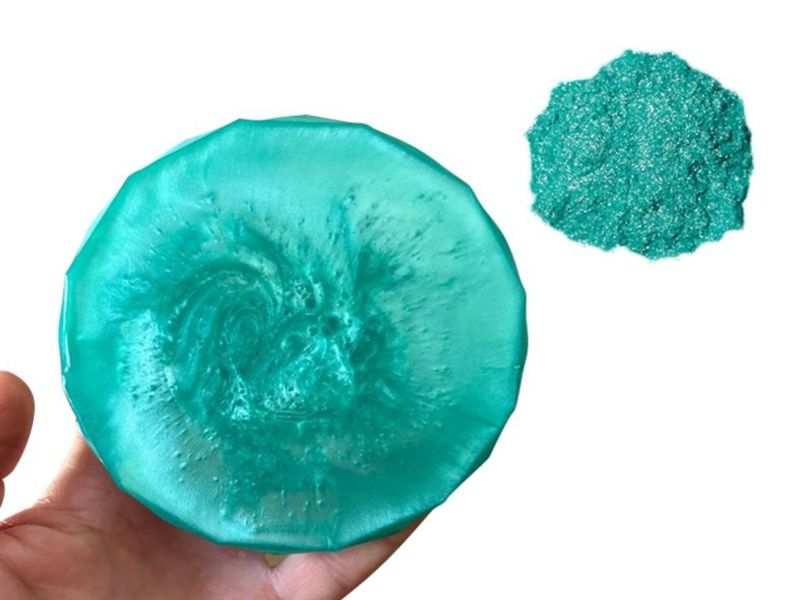
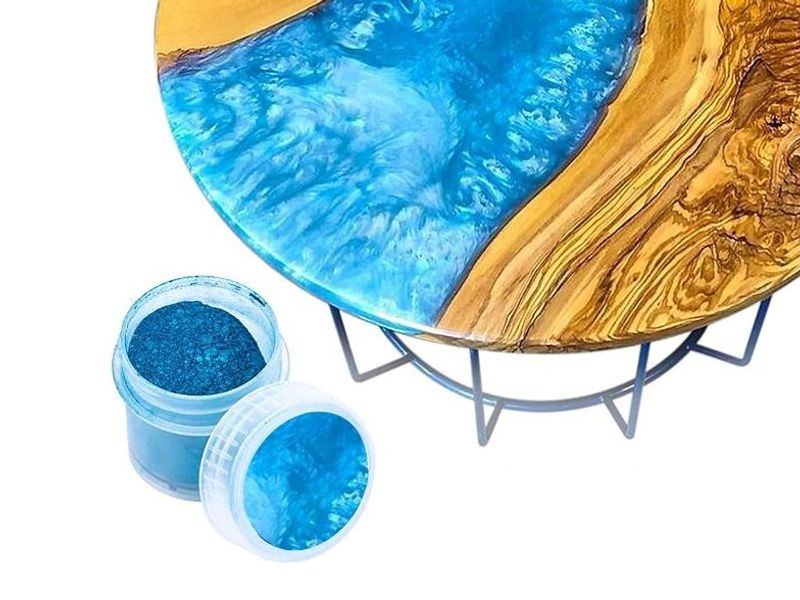
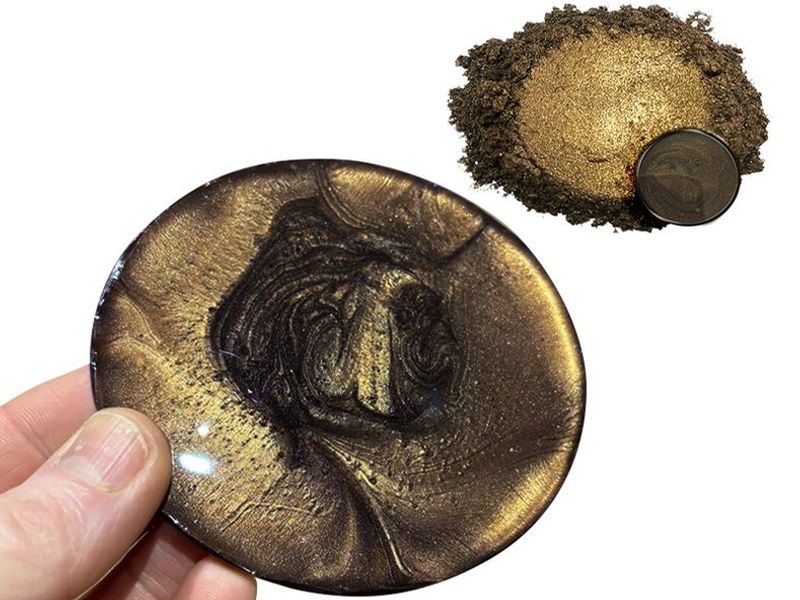
Pearlescent pigment for resin is widely used in epoxy systems to create shimmer, metallic luster, and deep color-shift finishes across decorative surfaces. These dry powder and paste pigments integrate directly into epoxy formulations, delivering visual depth that standard colorants cannot achieve. From poured epoxy floors to cast countertops, pearl pigment for epoxy resin has become a standard choice wherever decorative resin work demands a polished, high-impact appearance.
Epoxy resin is a particularly versatile carrier for effect pigments. Its transparency and self-leveling behavior allow pearlescent flakes to orient naturally during cure, producing a smooth, reflective surface that amplifies the optical effect of the pigment.
The three most active application areas are:
Pearlescent pigments are platelet-shaped particles — typically mica substrates coated with metal oxides such as titanium dioxide or iron oxide. When suspended in a transparent or semi-transparent epoxy matrix, these flakes align parallel to the substrate surface during the curing phase. Light entering the cured resin refracts and reflects off each platelet layer, producing the characteristic pearl and metallic luminosity.
In practice, the visual outcome depends heavily on two factors: pigment particle orientation and the optical clarity of the resin itself. Cloudy or heavily filled systems will suppress the effect. A clean, transparent or translucent epoxy base gives the best results.
Color-shifting or chameleon variants achieve their angular-dependent color change through interference effects between multiple oxide layers. These work especially well in cast epoxy because the depth of the material allows the effect to be viewed from multiple angles simultaneously.
Not every pearlescent pigment performs equally in epoxy. Selection should be based on the specific visual target, curing conditions, and end-use environment. The table below outlines the main product categories relevant to epoxy work:
| Pigment Series | Visual Effect | Best Fit in Epoxy |
|---|---|---|
| Silver White Series (KT-100 / KT-7100) | Clean white pearl, soft shimmer | Neutral base for floors and countertops; pairs well with dyes |
| Interference Series (KT-200 / KT-7200) | Transparent color flash over dark backgrounds | Artistic pours, marble effects, dark-base epoxy layers |
| Gold Series (KT-300 / KT-7300) | Warm gold tones, satin luster | Decorative countertops, premium floor finishes |
| Metal Luster Series (KT-500 / KT-7500) | Strong metallic brightness | Industrial floors, bold metallic topcoats |
| Multicolor / Two-Tone Series (KT-6000 / KT-7000 / KT-67000) | Multi-angle color shift, vibrant combinations | Artistic floors, statement countertops |
| Borosilicate Series (KT-8000) | High brilliance, glass-like sparkle | High-end decorative surfaces, cosmetic-grade resin art |
| Chameleon / Chromashift Series | Strong angular color shift | Cast pours, deep epoxy panels, artistic work |
| Metallic Luster Paste (Solvent-Based) | Ready-to-mix metallic luster | Direct addition to epoxy Part A; reduces dust handling |
The solvent-based metallic paste format is worth noting separately. It is specifically designed to be added directly into epoxy resin components, eliminating the dust and wetting issues that dry powder sometimes presents in workshop environments.
Weather and UV Resistance
For outdoor epoxy applications — exposed floors, facade coatings, or exterior countertops — pigment selection matters considerably. Pearlescent pigments based on rutile titanium dioxide coatings offer better UV stability than anatase-coated variants. Rutile-coated grades are the practical choice for any installation that will face prolonged sun exposure. Ignoring this distinction leads to premature yellowing or dulling of the effect over time.
Settling in Liquid Epoxy
Pearlescent pigment flakes are denser than most liquid epoxy systems, especially in low-viscosity formulations. Settling during pot life is a real issue, particularly with larger particle grades. One practical solution is to increase the overall solid content of the mix. Another is to introduce a compatible anti-settling additive. Either way, this needs to be addressed at the formulation stage — not after the pigment has dropped to the bottom of the pour.
Chemical Compatibility
Standard mica-based pearlescent pigments are generally compatible with both amine-cured and anhydride-cured epoxy systems. That said, some specialty coatings or UV-cure epoxy systems may include leveling agents, defoamers, or plasticizers that interfere with pigment orientation. These should be evaluated in test batches before committing to production.
Dispersion
The most common processing mistake with epoxy resin pearl pigments is over-aggressive mixing. Pearlescent pigment flakes are mechanically fragile. High-shear mixing — bead mills, high-speed dispersers run for extended periods — breaks the platelets into smaller fragments. Smaller fragments scatter light less efficiently, and the result is a noticeably duller, more opaque appearance rather than the expected metallic or pearl effect.
The correct approach is gentle hand stirring or low-speed mechanical mixing. Add the pigment to the resin component (Part A) first, mix gently until uniformly dispersed, then add the hardener (Part B) and fold together carefully. This preserves flake integrity and maintains the visual performance of the pigment.
Pigment Orientation in Spray or Roller Coat Applications
In poured or cast systems, orientation tends to happen naturally as the resin self-levels and cures. In spray or roller-applied epoxy coatings, the situation is more controlled and more variable. Key points from formulation practice:
Color Mixing and Blending Effects
Pearlescent pigments can be blended with transparent dyes or organic pigments to shift the base color while retaining the luster. This is standard practice for colored marble effects or tinted epoxy floors. Adding a small amount of carbon black to the mix deepens the background and enhances the contrast of the metallic effect, producing a silver-grey metallic appearance that reads as more dramatic under light. Combination with aluminum paste gives a brighter, whiter metallic result suited to high-reflection floor systems.
When choosing between standard pearlescent grades and higher-end options, there are real trade-offs to consider:
| Pigment Type | Strengths | Limitations |
|---|---|---|
| Standard mica/TiO₂ pearlescent | Cost-effective, wide color range, easy to source | Moderate UV resistance (anatase grades), average brightness |
| Rutile TiO₂-coated pearlescent | Better UV/weather resistance | Slightly higher cost than anatase grades |
| Iron oxide-coated (gold/bronze tones) | Strong warm metallic tones, good stability | Limited to warm color range |
| Borosilicate (glass flake base) | Exceptional brilliance and clarity | Higher cost; more fragile during mixing |
| Chameleon / color-shift | Dramatic angular color change, unique aesthetics | Higher cost; requires dark or neutral background to read correctly |
| Solvent-based metallic paste | Pre-dispersed, easy addition, reduces dust | Solvent content must be compatible with curing system |
Typical loading for decorative epoxy floors is 1–5% by weight relative to the total resin mix. Lower loadings (1–2%) produce a subtle shimmer effect; higher loadings (3–5%) give a denser metallic or full-pearl appearance. Going above 5% rarely improves the visual result and can affect the mechanical properties of the cured film. Always run a test pour at your target loading before committing to a full floor system.
The two most likely causes are flake breakage from over-mixing or poor pigment orientation during cure. If you used a high-speed mixer or ran mixing for longer than necessary, the platelet particles may have broken down. If the effect is patchy rather than uniformly dull, mottling from incompatible additives or a contaminated substrate is more probable. Check the substrate for oil residue, silicone contamination, or moisture — all of these disrupt how pearlescent flakes settle during cure.
Yes, but with some caution. Standard mica-based pearlescent pigments are generally compatible with UV-cure epoxy and UV-cure coating systems. One consideration is that higher pigment loading in UV-cure formulations can reduce UV penetration depth, leading to incomplete curing in thicker films. Keep loading levels moderate and confirm full cure with a hardness or adhesion test. Borosilicate-based grades, due to their glass-like transparency, tend to interfere less with UV transmission than more opaque pigment types.
The chemistry is similar — mica coated with titanium dioxide or iron oxide — but not all grades are interchangeable. Cosmetic-grade pigments are manufactured under stricter purity and heavy metals requirements. Industrial grades used in coatings or floor systems may have different surface treatments optimized for wetting in resin or solvent systems. When using pearl powder for epoxy in applications where skin contact is possible (e.g., jewelry resin), it is worth confirming the grade is certified for the intended use. Kolortek supplies both industrial and cosmetic-compliant grades.
Get Technical Support or Request Samples
If you are developing an epoxy floor, countertop, or coating system and need help selecting the right pearlescent pigment grade, confirming compatibility, or accessing formulation guidelines, our technical team can provide direct support. TDS, MSDS, COA, and sample sets are available on request.
Contact us at contact@kolortek.com to discuss your application requirements.
Pearlescent pigment for resin is widely used in epoxy systems to create shimmer, metallic luster, and deep color-shift finishes across decorative surfaces. These dry powder and paste pigments integrate directly into epoxy formulations, delivering visual depth that standard colorants cannot achieve. From poured epoxy floors to cast countertops, pearl pigment for epoxy resin has become a standard choice wherever decorative resin work demands a polished, high-impact appearance.
Read More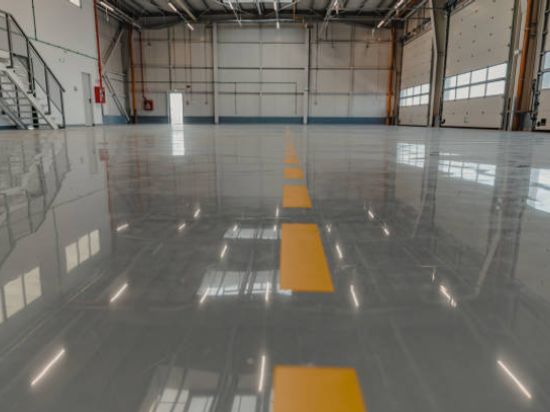
Selecting the right color pigment powder for epoxy resin determines whether a metallic floor, cast countertop, or decorative coating achieves a genuine visual effect or falls flat. Pearlescent, metallic, holographic, and color-shifting powders are the most widely used types — each delivering distinct shimmer, depth, or dynamic color behavior inside a cured epoxy matrix. From high-traffic metallic flooring to resin art and architectural surfaces, epoxy resin colour powder drives both the aesthetic and the functional finish.
Read More
 English
 Français
 Deutsch
 Русский
 Español
 Português