Leave A Message
If you are interested in our products and want to know more details,please leave a message here,we will reply you as soon as we can.
Natural Mica Based Pearl Pigment – Silver White Series
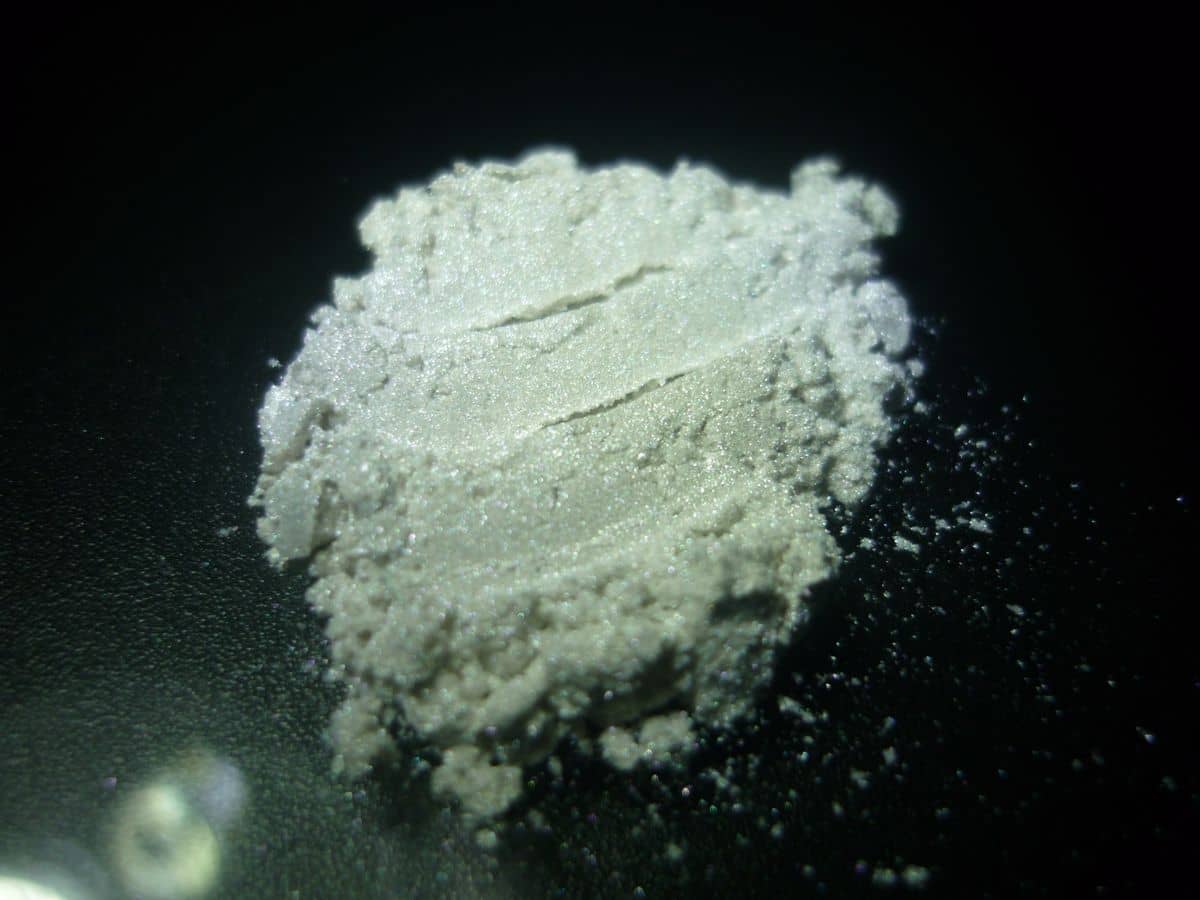
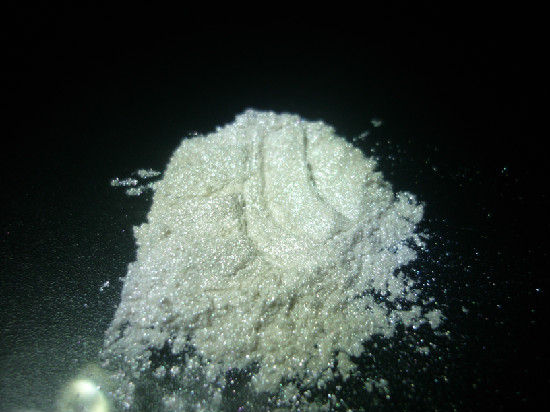
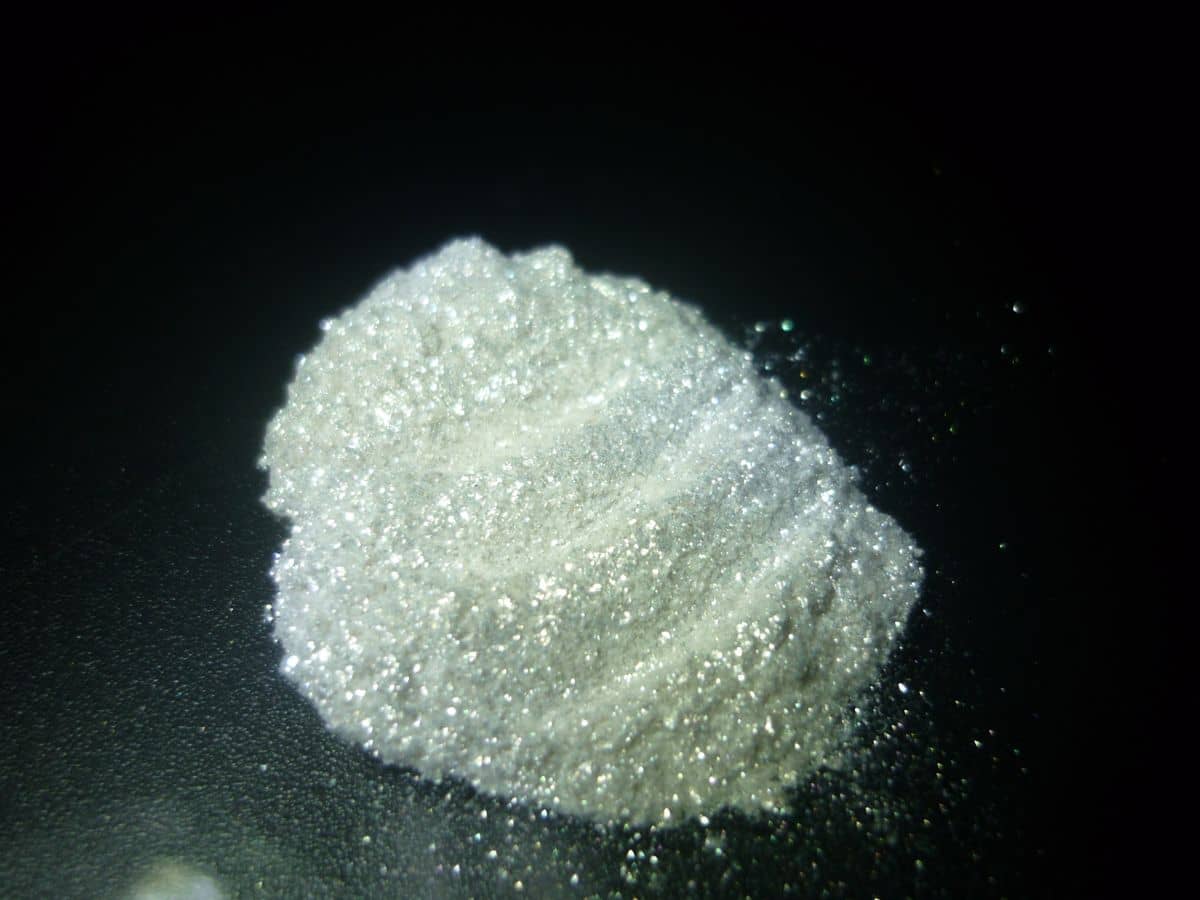
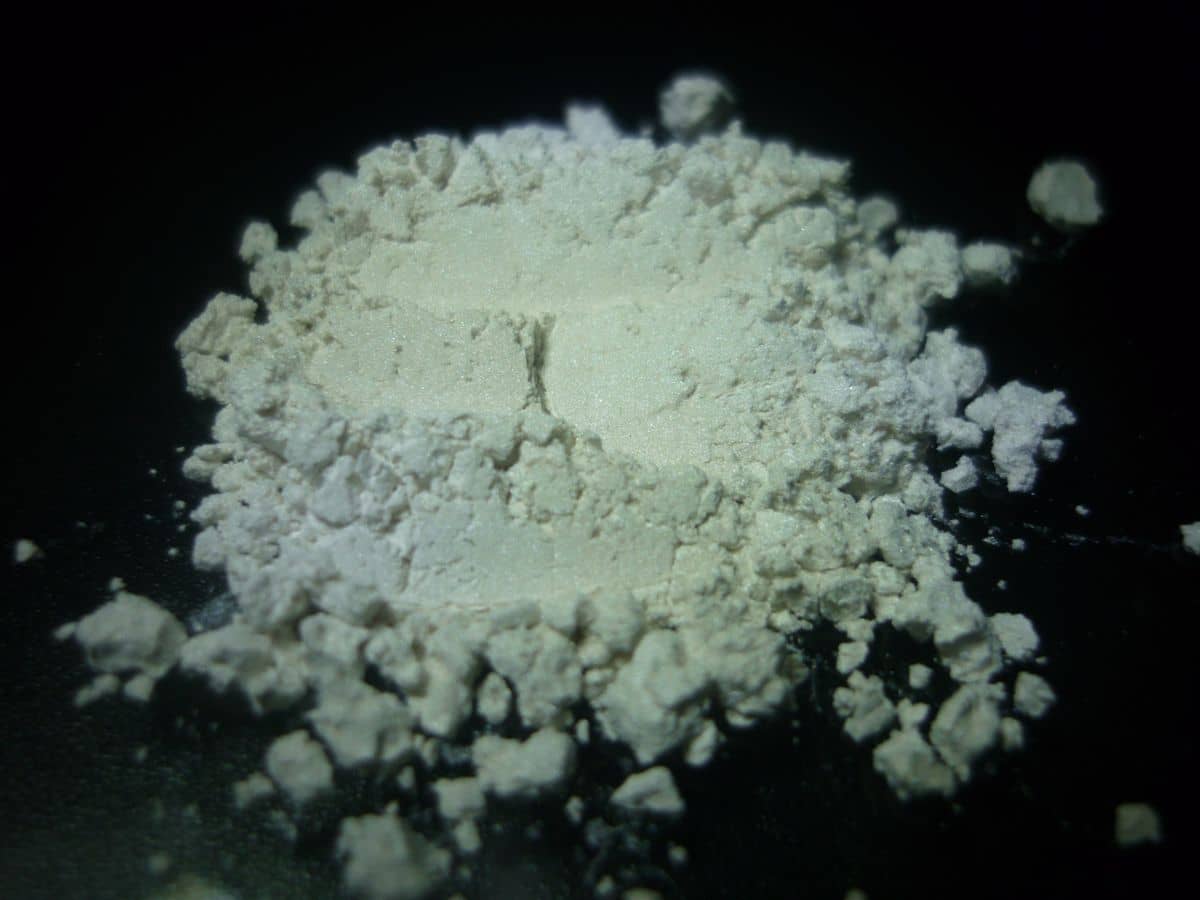
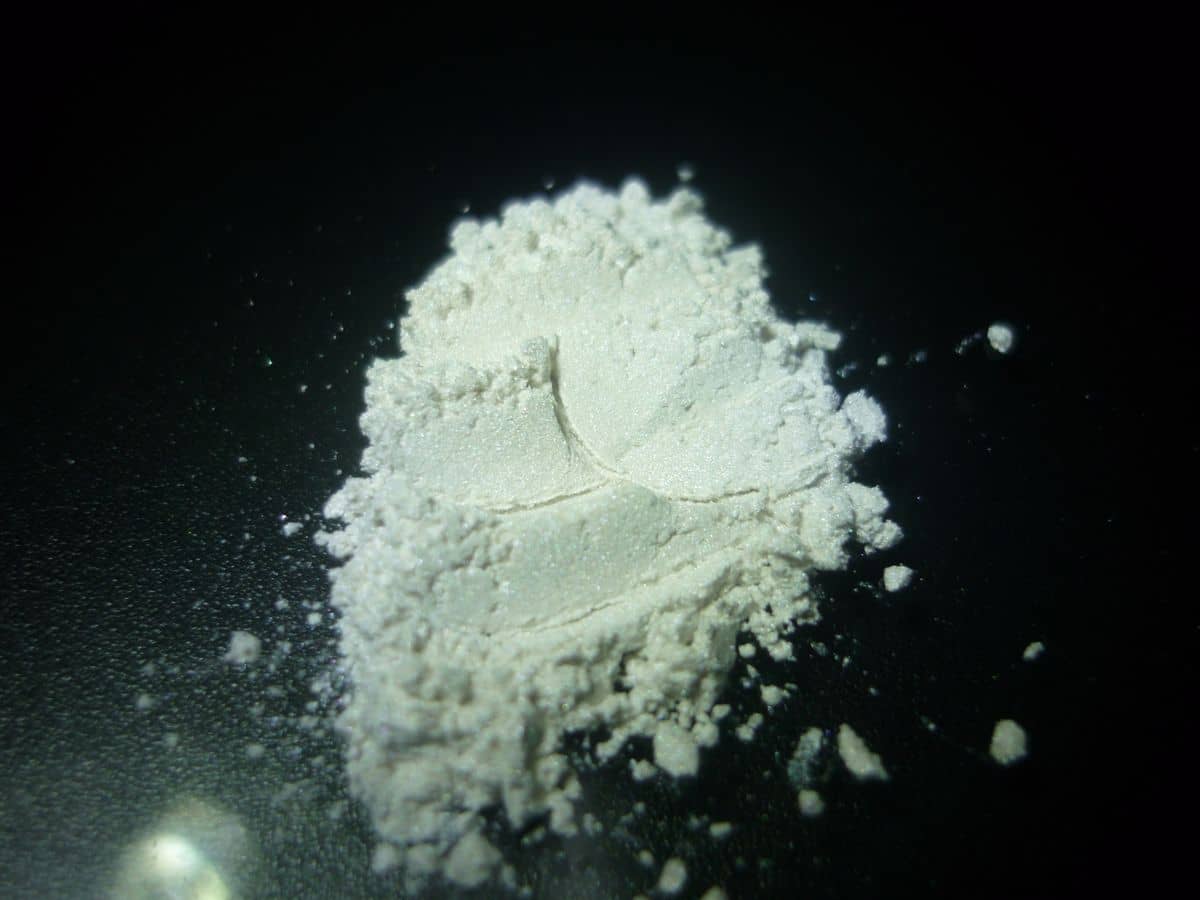
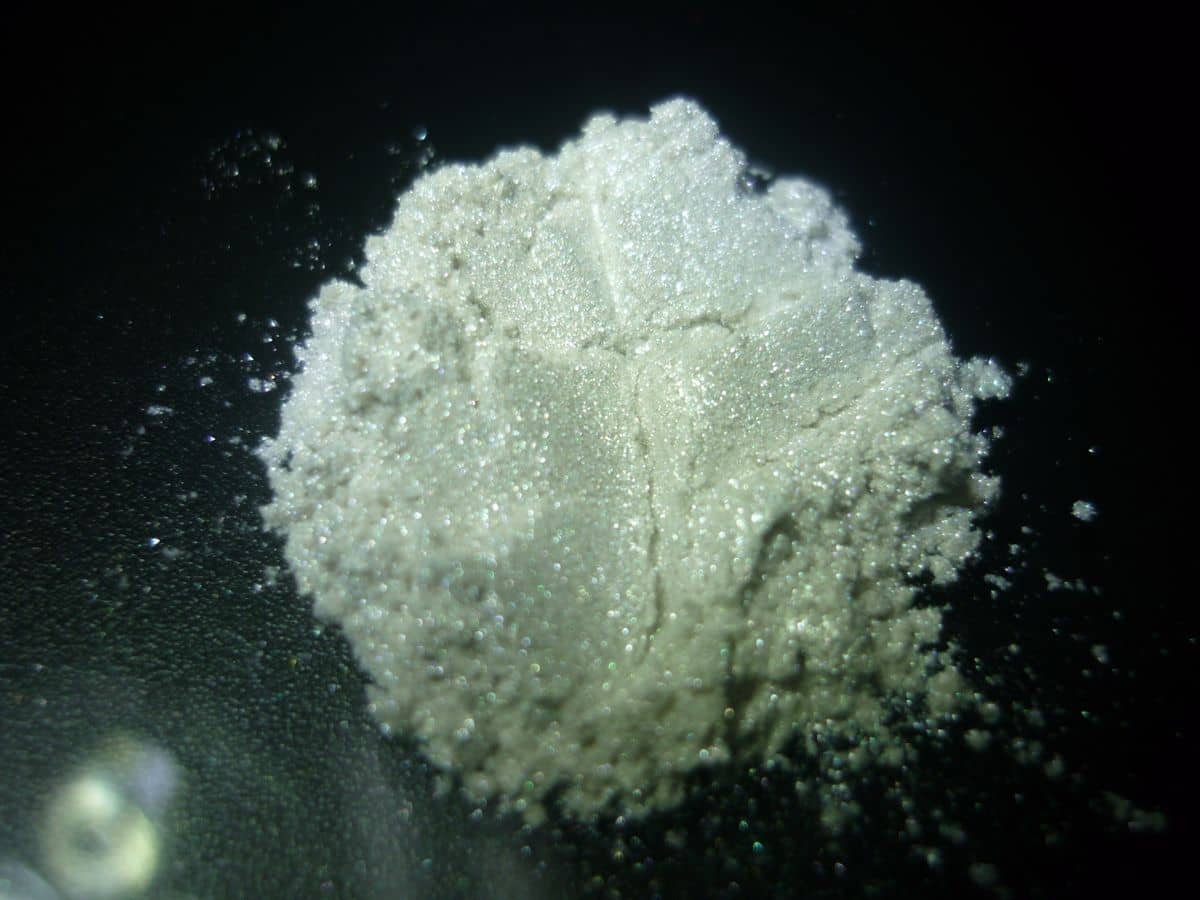
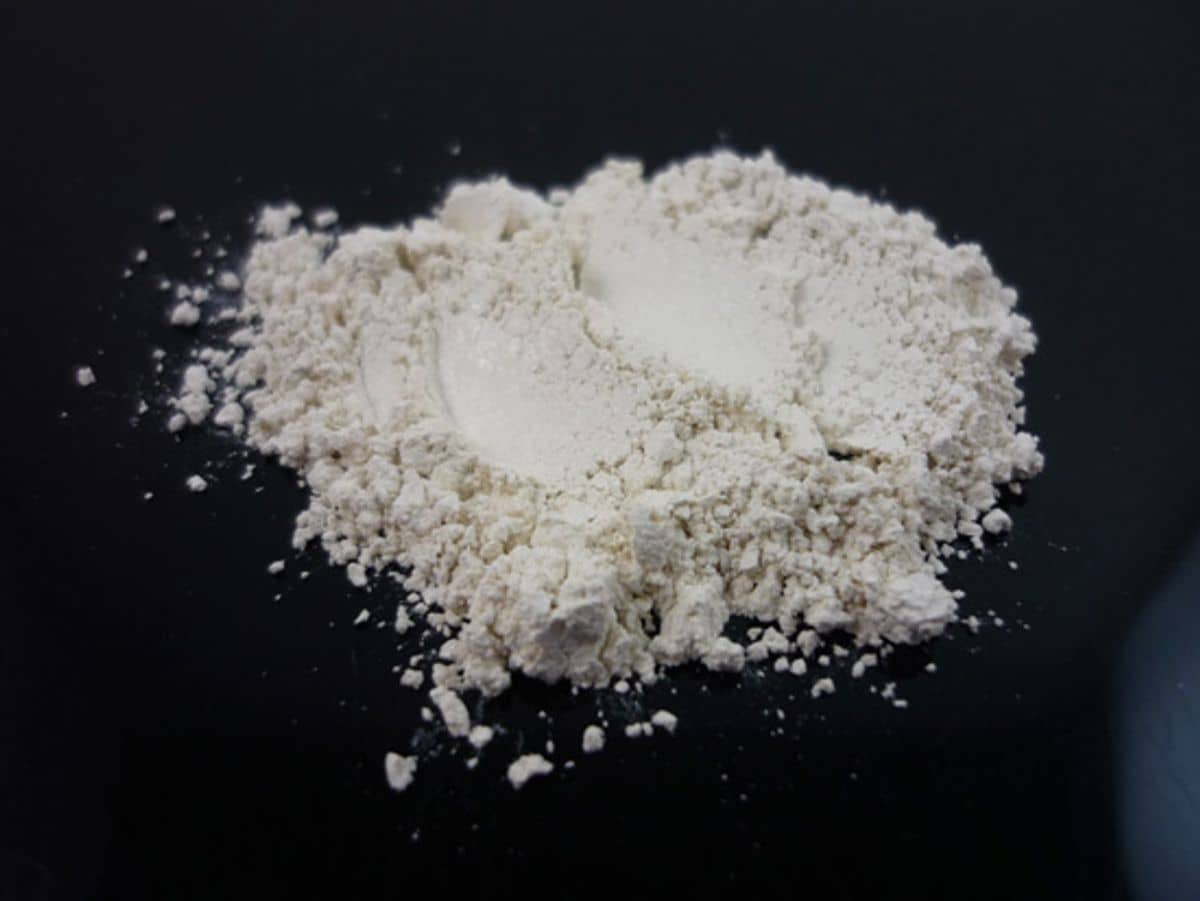
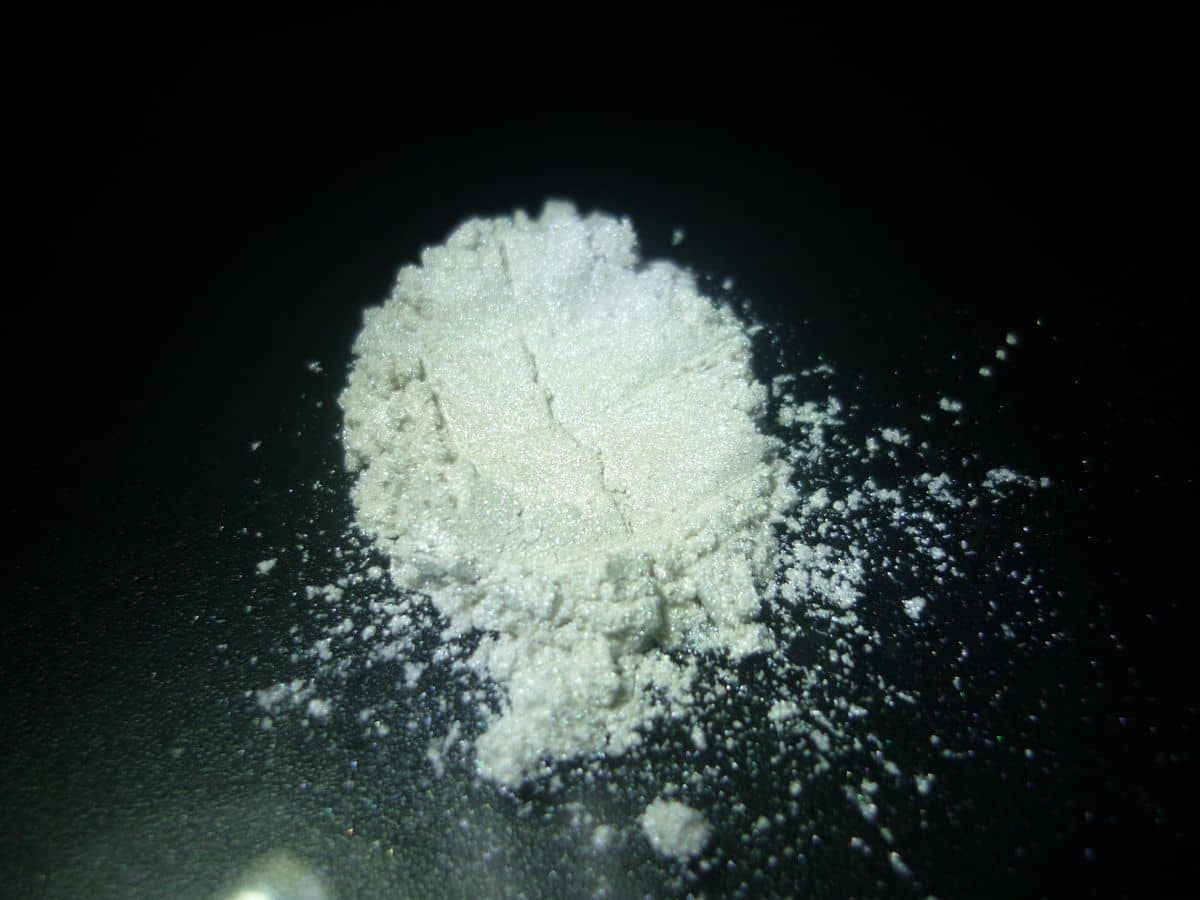
Silver white pearlescent pigments are the baseline of effect pigment formulation — the ones every formulator reaches for first. They're also the ones where small differences in particle size, substrate purity, and TiO₂ coating quality make the biggest practical difference in your final product.
Item No. :
100 Silver White SeriesColor Effect :
Silver WhiteParticle Size :
<15μm,5-20μm,10-40μm,20-100μm,30-150μm,40-200μm,50-500μmComposition :
Mica, Titanium Dioxide, Tin OxideBrand :
Kolortek / OEMMOQ :
25KGApplication :
Paints & Coatings, Printing Inks, Cosmetics, Soaps, Nail Polish, Epoxy Flooring, Artificial Marble, Crafts, etc.Kolortek's Silver White Series covers both natural mica based pearl pigments (KT-100 series) and synthetic mica based pearlescent pigments (KT-7100 series). Both product lines share the same structural logic — mica flakes coated with rutile titanium dioxide — but they serve different application environments, and choosing between them isn't always obvious.
The effect comes from interference and reflection. When light hits the TiO₂-coated mica platelet, part of it reflects off the surface and part transmits through — the interaction creates the pearl or metallic appearance. The particle size distribution controls whether you get a fine satin finish or a coarse, high-sparkle effect. It's a straightforward relationship, but one that's easy to get wrong when selecting grades.
When blended with transparent dyes or pigments, these silver whites take on that color while retaining their luster — which makes them highly versatile as a base. Add carbon black and you shift toward a silver-grey metallic appearance with stronger luster contrast. Combine with aluminum paste and you push toward a bright, high-opacity silver-white.
Some grades in this series include tin oxide as part of the coating stack. This modifies the surface electrical properties and improves adhesion in certain resin systems — worth accounting for if you're working with conductive-sensitive formulations.
The KT-100 line uses natural muscovite mica as the substrate. It covers a practical range from fine-particle satin grades through coarse-sparkle effects. Natural mica is cost-effective and performs well across most industrial and decorative applications.
| Model | Name | Composition | Particle Size |
|---|---|---|---|
| KT-100 | Silver Pearl | Mica, TiO₂ | 10–60 μm |
| KT-101 | Irradiant White | Mica, TiO₂ | 10–70 μm |
| KT-103 | Rutile Silver | Mica, TiO₂, SnO₂ | 10–60 μm |
| KT-104 | Silk Silver | Mica, TiO₂, SnO₂ | 10–40 μm |
| KT-105 | Bright Pearl | Mica, TiO₂ | 10–50 μm |
| KT-110 | Fine Satin White | Mica, TiO₂ | <15 μm |
| KT-111 | Fine Satin Silver | Mica, TiO₂, SnO₂ | <15 μm |
| KT-119 | Silver Satin | Mica, TiO₂, SnO₂ | 5–20 μm |
| KT-121 | Rutile Luster Satin | Mica, TiO₂, SnO₂ | 5–25 μm |
| KT-151 | Flash White | Mica, TiO₂ | 10–100 μm |
| KT-152 | Flash Silver | Mica, TiO₂, SnO₂ | 10–100 μm |
| KT-153 | Glitter White | Mica, TiO₂ | 20–100 μm |
| KT-154 | Glitter Pearl | Mica, TiO₂ | 30–150 μm |
| KT-163 | Shimmer Pearl | Mica, TiO₂ | 40–200 μm |
| KT-173 | Silk Pearl | Mica, TiO₂ | 10–40 μm |
| KT-183 | Sparkle Pearl | Mica, TiO₂ | 50–500 μm |
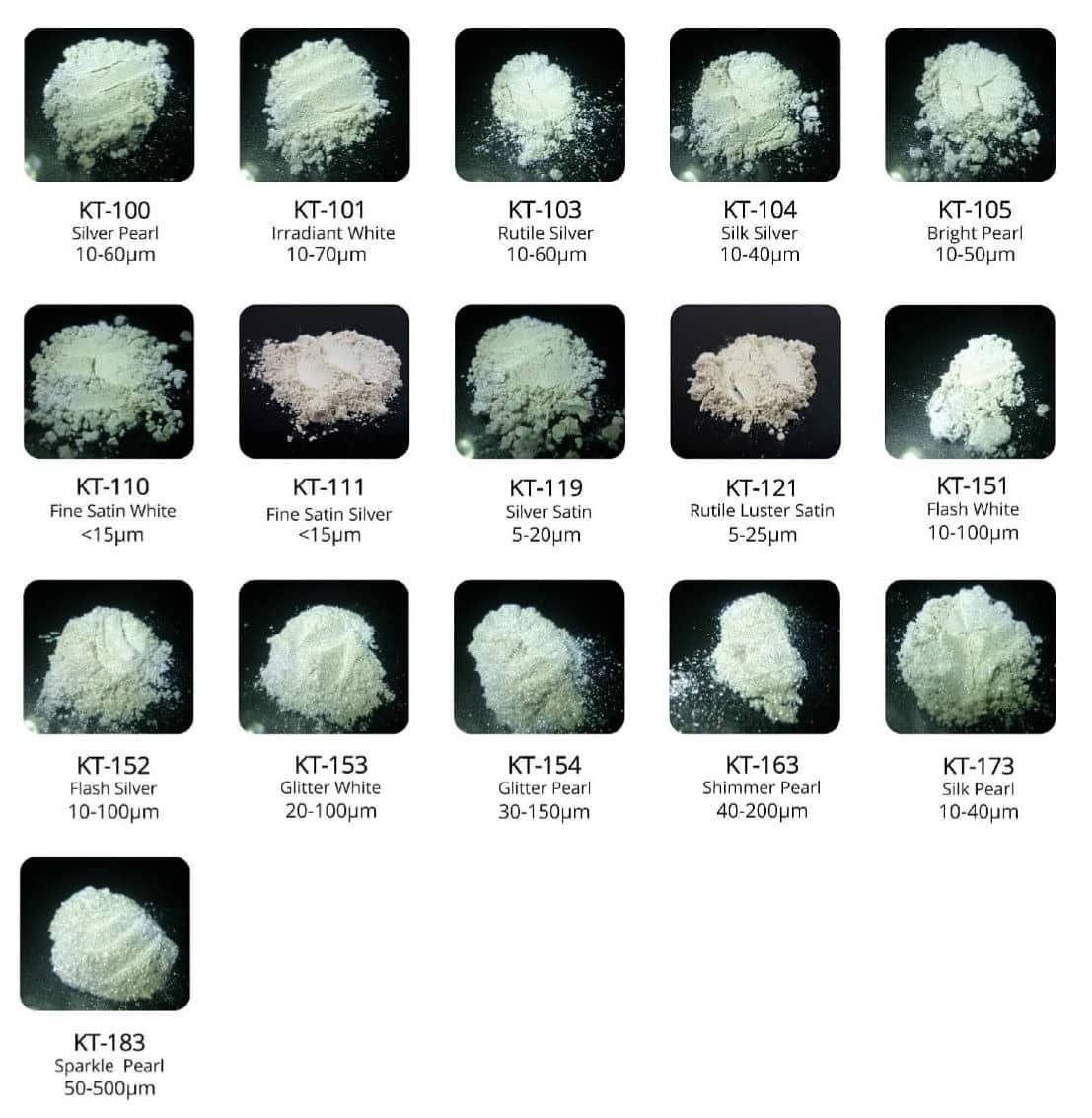
The KT-7100 series uses fluorphlogopite — synthetic mica — as the substrate. The structural difference matters. Synthetic mica is produced under controlled conditions, which means higher substrate purity, virtually no black spot inclusions, and significantly more consistent flake morphology. In practice, this translates to cleaner whites, better luster reproducibility batch-to-batch, and improved thermal stability in high-temperature processing environments such as plastics compounding or powder coatings.
The KT-7121 to KT-7128 silver sub-series within this line are uncoated fluorphlogopite grades — useful when you need the optical contribution of the mica substrate itself without TiO₂ interference effects.
| Model | Name | Composition | Particle Size |
|---|---|---|---|
| KT-7101 | Fine Satin White | Fluorphlogopite, TiO₂ | <15 μm |
| KT-7102 | Satin White | Fluorphlogopite, TiO₂ | 5–25 μm |
| KT-7103 | Bright White | Fluorphlogopite, TiO₂ | 10–60 μm |
| KT-7104 | Luster White | Fluorphlogopite, TiO₂ | 15–75 μm |
| KT-7105 | Flash White | Fluorphlogopite, TiO₂ | 10–100 μm |
| KT-7106 | Glitter White | Fluorphlogopite, TiO₂ | 30–150 μm |
| KT-7107 | Sparkle White | Fluorphlogopite, TiO₂ | 40–300 μm |
| KT-7108 | Ultra Sparkle White | Fluorphlogopite, TiO₂, SnO₂ | 50–350 μm |
| KT-7109 | Intense Sparkle White | Fluorphlogopite, TiO₂, SnO₂ | 200–700 μm |
| KT-7191 | Intense Sparkle White | Fluorphlogopite, TiO₂ | 100–1000 μm |
| KT-7192 | Maxima White | Fluorphlogopite, TiO₂, SnO₂ | 200–1000 μm |
| KT-7121 | Fine Satin Silver | Fluorphlogopite | <15 μm |
| KT-7122 | Satin Silver | Fluorphlogopite | 5–25 μm |
| KT-7123 | Luster Satin Silver | Fluorphlogopite | 10–40 μm |
| KT-7124 | Silk Silver | Fluorphlogopite | 10–50 μm |
| KT-7125 | Bright Silver | Fluorphlogopite | 10–60 μm |
| KT-7126 | Flash Silver | Fluorphlogopite | 20–100 μm |
| KT-7127 | Glitter Silver | Fluorphlogopite | 30–100 μm |
| KT-7128 | Glitter Silver | Fluorphlogopite | 30–150 μm |
The application fit depends heavily on which grade you're working with. Fine particle grades (<15 μm to 25 μm) are appropriate for printing inks — gravure, flexo, or screen — where press gap and ink rheology constrain what you can run. They also work in cosmetics, nail coatings, and soap formulations, where texture on skin matters as much as optical output.
Mid-range grades (10–60 μm, 15–75 μm) are the workhorses for paints, coatings, and liquid systems. They orient well under brush, roller, or spray application and deliver a consistent luster without visible coarseness. For epoxy flooring systems and countertop or artificial marble casting, the coarser grades — KT-154, KT-163, KT-183 on the natural mica side, or KT-7107 through KT-7192 on the synthetic side — give the visual depth and sparkle that defines the category. Particle size up to 1000 μm is available in the KT-7191/KT-7192 range for maximum visual impact in cast applications.
Craft applications tend to pull from the mid-to-coarse range depending on the medium — resin pours, decorative finishes, and similar work benefit from broader particle size distributions that create a natural variation in sparkle intensity.
This is the question that comes up most often. The honest answer is that it depends on the application constraints, not on which substrate is inherently superior.
Natural mica based pearl pigments cover the majority of industrial and decorative use cases at a lower cost point. The substrate has minor mineral inclusions — including occasional black spots — which is a natural characteristic of mined muscovite. For most coating and plastic applications this has no measurable functional impact. That said, if visual cleanliness is paramount — think cosmetics, high-gloss white paints, or applications with close color-matching requirements — those inclusions can become a problem at higher loadings.
Synthetic mica (fluorphlogopite) eliminates that issue. The substrate is purer, the flake geometry is more consistent, and the thermal ceiling is meaningfully higher — relevant for plastics compounding above 280°C or for powder coating cure cycles. The luster chroma is also generally cleaner. The trade-off is cost, which is higher than natural mica grades.
In practice, most formulators use natural mica based pearlescent pigments for standard industrial work and switch to the synthetic mica series when the application demands it — not as a default upgrade.
These pigments are platelet-structured. That means dispersion technique directly affects the final optical result. High-shear mixing will fracture the platelets and reduce sparkle — you lose particle size and the effect degrades visibly. Low-shear incorporation, typically by gentle stirring or slow-speed paddle mixing, is the correct approach. Add the pigment last where formulation sequence allows.
Orientation matters in coating applications. In spray-applied systems, allow adequate flow time before cure to let the platelets align parallel to the substrate. Poor orientation = muted luster, regardless of which grade you selected.
These pigments are compatible with most resin systems — waterborne, solventborne, UV-cure, and powder. The SnO₂-containing grades (KT-103, KT-104, KT-111, KT-119, KT-121, KT-152, KT-7108, KT-7109, KT-7192) carry different surface chemistry, which can influence wetting in some formulations. If you're running into adhesion or floating issues, grade selection is worth revisiting before adjusting dispersants.
Typical loading range is 1–10% depending on the system and effect target. Higher loadings don't always improve the visual result — beyond a certain concentration, platelet-to-platelet interference starts working against orientation.
At 10–100μm, KT-152 spans the particle size range where silver mica pigment transitions from a smooth pearl coverage into a flash silver effect — individual platelet reflections become visible to the eye, giving coatings, epoxy floors, and decorative surfaces a pronounced sparkle that finer grades cannot produce. The wider distribution makes it a practical single-grade specification for applications where both coverage continuity and visible flash are required simultaneously, without the surface texture limitations of coarser 40–200μm grades.
Read More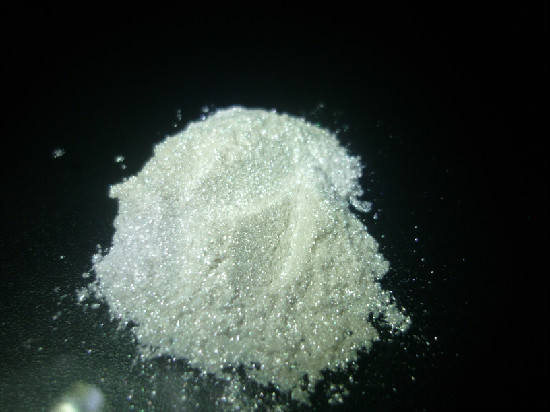
KT-153 is a glitter white pearlescent mica powder in the 20–100μm particle size range — a natural mica grade coated with rutile TiO₂ that produces a bright, glitter-like silver-white sparkle in coatings, epoxy systems, nail products, and decorative applications. At this distribution, the lower size cut removes the very fine fraction that contributes to background pearl coverage, concentrating the visual output toward individual platelet flash reflections — the result is a more glitter-like sparkle character than a standard 10–60μm silver white grade, without the surface texture limitations of purely coarse 40–200μm grades.
Read More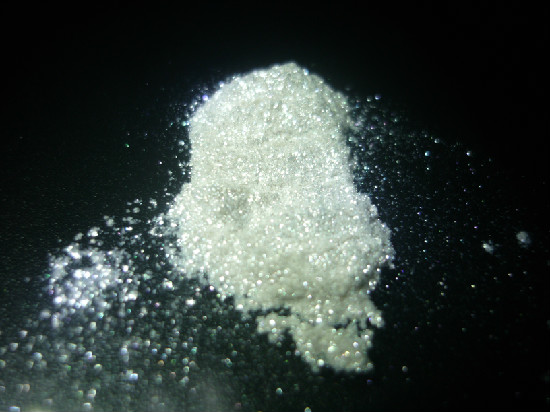
KT-163 is a shimmer pearl natural mica pigment powder in the 40–200μm particle size range — one of the coarser grades in the KT-100 Silver White Series, designed for applications where visible, bold individual-platelet sparkle is the target effect rather than smooth coverage pearl. At this distribution, individual mica platelets coated with rutile TiO₂ are large enough to produce distinct, directional flash reflections visible to the naked eye, giving epoxy floors, countertops, decorative coatings, and craft resin applications a pronounced shimmer that finer pearl grades cannot replicate. For formulators who need a coarse silver white pearl with reliable batch-to-batch sparkle intensity, KT-163 covers the upper-brightness end of the KT-100 natural mica range.
Read More
Silver white pearlescent pigments are the baseline of effect pigment formulation — the ones every formulator reaches for first. They're also the ones where small differences in particle size, substrate purity, and TiO₂ coating quality make the biggest practical difference in your final product.
Read More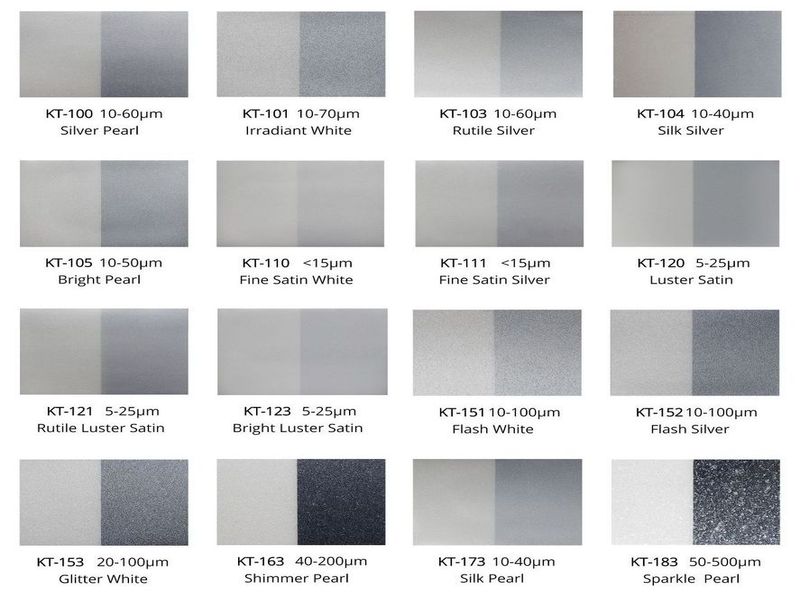
Silver white pearlescent pigments are the workhorse of the effect pigment world. They underpin everything from automotive basecoats to nail polish, and the formulation logic behind them hasn't changed much in decades: mica flakes coated with titanium dioxide, tuned by particle size and TiO₂ crystal form to deliver a specific balance of whiteness, brightness, and sparkle. What has changed is the supply landscape.
Read More
Silver white pearlescent pigments are one of the most specified effect pigments across coatings, plastics, printing, and cosmetics — and KT-100 is Kolortek's direct-working equivalent to Iriodin 100. Same mica-titanium dioxide platform, same particle size range, same optical behavior. If your formulation was built around Iriodin 100, KT-100 slots in without reformulation. That said, "equivalent" doesn't mean identical in every edge case. What it means practically: the substrate, platelet morphology, and refractive index are comparable enough that you won't be redesigning your process to accommodate it.
Read More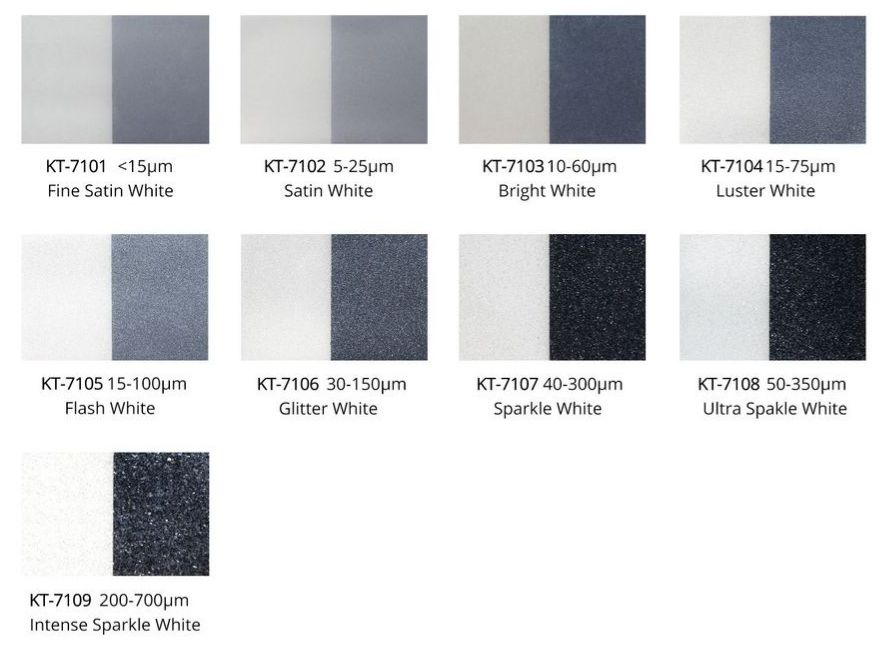
Wholesale silver white pearl pigment from China combines the brilliant metallic luster of TiO₂-coated mica with factory-direct pricing and flexible bulk ordering. Our KT-100 Silver White series spans particle sizes from 5 µm satin finishes to 200 µm coarse sparkle grades, serving automotive basecoats, decorative coatings, plastics, and printing inks where a clean, bright silver-white effect is required at scale.
Read More
Bright pearl mica pigment delivers a clean, brilliant silver-white luster through a titanium dioxide coating on natural mica substrate. We formulate this across multiple particle size distributions in our KT-100 Silver White Series, giving formulators precise control over coverage density and sparkle intensity—finer grades yield smooth, even pearl coverage in cosmetics and automotive coatings, while coarser fractions produce more pronounced glitter effects in plastics and printing inks.
Read More
 English
 Français
 Deutsch
 Русский
 Español
 Português